Understanding Vegan Astaxanthin Supplement Benefits
In the realm of nutritional supplements, vegan astaxanthin has emerged as an essential player, known for its potent antioxidant properties. Derived primarily from microalgae, astaxanthin is often touted for its health benefits, making it an appealing option for those seeking plant-based supplements. When exploring options, vegan astaxanthin supplement choices provide comprehensive insights into harnessing this powerful nutrient for overall health enhancement.
What is Astaxanthin and Its Source?
Astaxanthin is a keto-carotenoid belonging to a group of compounds known as carotenoids, which are responsible for the vibrant colors observed in various fruits and vegetables. It is naturally found in certain types of algae, particularly Haematococcus pluvialis, and is responsible for the pink and red hues in salmon, shrimp, and flamingos. For those adhering to a vegan lifestyle, sourcing astaxanthin from algae presents a viable and sustainable option, without the need for animal-derived ingredients.
Health Benefits of Vegan Astaxanthin
Vegan astaxanthin supplements are associated with numerous health benefits due to their antioxidant capabilities. These include:
- Anti-Inflammatory Properties: Astaxanthin helps reduce inflammation throughout the body, which may alleviate symptoms of chronic conditions.
- Skin Health: Regular intake of astaxanthin can enhance skin elasticity, hydration, and overall appearance, making it a sought-after supplement in skincare routines.
- Eye Health: Studies suggest that it may reduce the risk of cataracts and macular degeneration, thereby promoting eye health.
- Exercise Recovery: Athletes may benefit from astaxanthin's ability to reduce exercise-induced oxidative stress, aiding in quicker recovery times.
Misinformation About Astaxanthin Supplements
Despite the rising popularity of astaxanthin supplements, misinformation abounds. Some claims exaggerate its capabilities, suggesting it can cure ailments or serve as a miracle solution for weight loss. It’s essential for consumers to approach astaxanthin with realistic expectations, understanding that while it offers significant benefits, it is not a replacement for a balanced diet or healthy lifestyle.
Key Features of Quality Vegan Astaxanthin Supplements
Identifying Pure Astaxanthin
When purchasing a vegan astaxanthin supplement, purity is paramount. Look for products that specify they contain astaxanthin derived from Haematococcus pluvialis, as this source is known for its high antioxidant content. Third-party testing and certifications can also indicate the product's quality.
Supplement Forms: Powder vs. Capsules
Astaxanthin supplements are available in both powder and capsule forms, each with its own advantages. Powder enables flexible dosage adjustments and can be added to smoothies or health foods, while capsules offer convenience and pre-measured servings, perfect for on-the-go lifestyles.
Read the Labels: What to Look For
Label reading is crucial when selecting any supplement. Ensure the product is non-GMO, vegan-friendly, and free from artificial fillers or additives. A transparent ingredient list and clear information about extraction methods can indicate a high-quality vegan astaxanthin supplement.
Incorporating Vegan Astaxanthin into Your Diet
Creative Recipes with Astaxanthin Powder
Incorporating astaxanthin powder into your diet can be both delicious and beneficial. Consider adding it to:
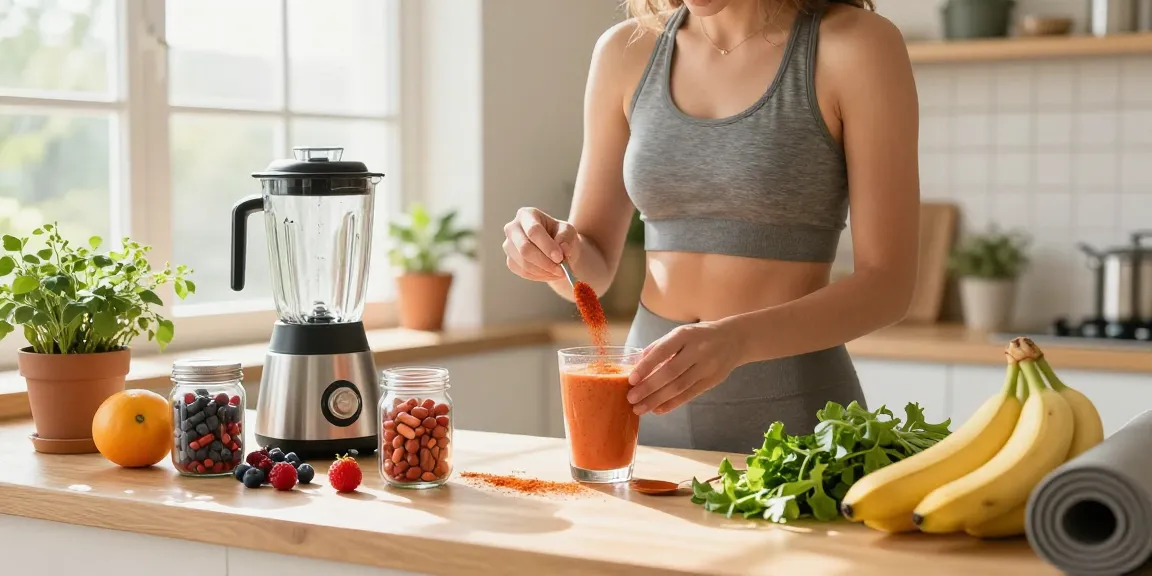
- Smoothies: Blend into your morning smoothie with spinach, banana, and almond milk for a nutrient boost.
- Energy Balls: Mix with oats, nut butter, and chia seeds for a tasty and healthful snack.
- Baked Goods: Add to cookies or muffins for an innovative twist on classic recipes.
Combining with Other Superfoods
Vegan astaxanthin can be effectively paired with other superfoods like spirulina, chia seeds, or flaxseeds to enhance nutritional benefits. This combination can create a powerhouse of nutrients that work synergistically to promote health.
Daily Dosage Recommendations
While there's no universally accepted dosage for astaxanthin, research suggests a daily intake of 4 to 12 mg may be beneficial for most adults. However, it’s important to start with a lower dose and consult with a healthcare provider, particularly if you're pregnant, nursing, or have existing health conditions.
Potential Side Effects and Safety Considerations
Understanding the Risks of Overconsumption
Unlike some vitamins, astaxanthin is considered safe at recommended dosages; however, overconsumption may lead to side effects such as stomach cramps or a change in skin color (a benign and reversible condition). Always adhere to recommended guidelines to avoid any adverse effects.
Possible Allergens in Astaxanthin Supplements
Some astaxanthin supplements may contain allergens such as shellfish or gluten. It's crucial for individuals with allergies to read labels carefully and opt for certified vegan products to minimize risks.
Consulting Healthcare Professionals
If you're considering adding astaxanthin to your regimen, consulting a healthcare professional is advisable, particularly if you're on medication or have health concerns. Personalized guidance can help ensure safe and effective use.
Future Trends in Vegan Astaxanthin Supplements
Innovations in Supplementing Practices by 2026
The future of vegan astaxanthin supplements looks promising, with innovations focused on more efficient extraction methods and formulas that enhance bioavailability. Consumers can expect to see products that utilize advanced technology to maximize the efficacy of this powerful antioxidant.
The Rising Popularity of Plant-Based Supplements
A growing trend towards plant-based lifestyles will likely push vegan astaxanthin into the mainstream. As awareness of sustainable health practices grows, more consumers will choose plant-derived supplements over traditional options.
Emerging Research and Developments
Research on the effects of astaxanthin on specific health conditions continues to evolve. Future studies may uncover new applications or highlight synergistic effects with other nutrients, further solidifying its role in healthcare.
What are the Healthiest Snacks with Astaxanthin?
Healthy snacks incorporating astaxanthin can include energy bars enriched with superfoods, smoothies, or even homemade protein balls. Combining astaxanthin with high-fiber ingredients can create satiating and nutritious options.
Can You Overdose on Vegan Astaxanthin Supplements?
While toxicity from astaxanthin is low, overconsumption can lead to minor side effects such as discoloration of the skin. Following dosage recommendations is key to maximizing benefits while minimizing risks.
Is Vegan Astaxanthin Effective for Athletes?
For athletes, the antioxidant properties of astaxanthin can support recovery and enhance performance by reducing oxidative stress and inflammation. Many sports nutritionists are integrating it into their recommendations for athletes looking for a natural edge.
How Do Astaxanthin Supplements Improve Skin Health?
Astaxanthin’s ability to combat oxidative damage and boost collagen production translates to improved skin elasticity, tone, and hydration. It can also offer protection against UV damage, making it a popular choice in skincare circles.
What is the Best Time to Take Astaxanthin Supplements?
Astaxanthin is best absorbed with fat, so taking it with a meal that includes healthy fats, like avocados or nuts, can enhance its effects. Timing may vary based on individual routines, but consistent daily intake is advisable.
How Do Vegan Astaxanthin Supplements Compare to Other Antioxidants?
When compared to other antioxidants, astaxanthin stands out for its potency and efficiency. It has been shown to be significantly more effective than vitamins C and E in quenching free radicals and providing cellular protection.