
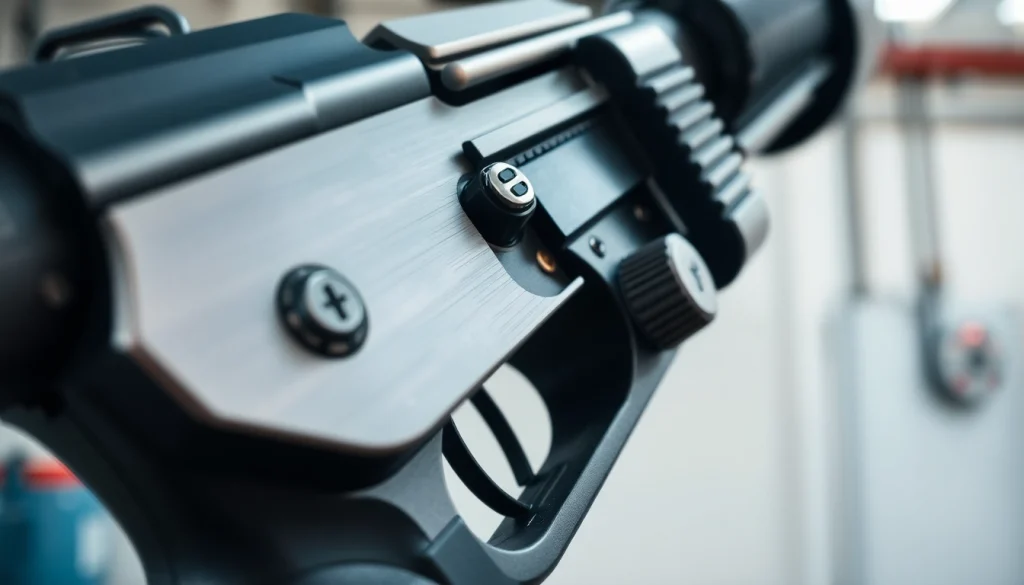
Introduction to Forced Reset Trigger
The Forced reset trigger (FRT) has emerged as a notable advancement in the realm of firearm triggers, offering enthusiasts and professionals alike a different shooting experience. In a world where precision and speed are crucial, understanding the core mechanics and implications of FRTs is essential for anyone involved in shooting sports or tactical scenarios. This article delves into what forced reset triggers are, how they function, the legal landscape surrounding them, and the key features and installation processes users need to consider.
What is a Forced Reset Trigger?
A Forced reset trigger is an advanced firearm trigger mechanism designed to allow the shooter to fire consecutive rounds with minimal trigger manipulation. Unlike traditional triggers that require a complete release and pull for each shot, FRTs use mechanical systems to reset the trigger after each shot, allowing for a more rapid firing cycle. This mechanism is especially popular among those looking to enhance their shooting efficiency in both competitive and defensive contexts.
How Does a Forced Reset Trigger Work?
At the heart of a FRT’s operation lies a unique design that utilizes the firearm’s own cycling action to cease a trigger’s rearward movement upon firing. When the shooter pulls the trigger, the weapon fires, and upon cycling, the trigger is automatically reset forward, creating an opportunity for the shooter to pull the trigger again in quick succession. This innovative design can significantly increase the rate of fire while maintaining control and safety. Importantly, it still requires the shooter to engage the trigger with each round fired, ensuring compliance with ATF regulations.
Legal Considerations for Forced Reset Trigger
The legality of forced reset triggers has often generated discussion and debate among firearm enthusiasts and legal experts. As of now, FRTs are classified under federal law and are not considered machine guns, which makes them legal under certain conditions. However, it’s essential for users to stay informed about state regulations, as many states have enacted laws that affect the ownership or use of forced reset triggers. Consequently, potential owners should always check local laws to ensure compliance and avoid potential legal repercussions.
Key Features of Forced Reset Trigger
Mechanical Advantages of Forced Reset Trigger
One of the primary advantages of forced reset triggers is their mechanical simplicity coupled with effectiveness. Made from high-quality materials, these triggers provide durability and reliability even under strenuous shooting conditions. The design allows less downtime between shots, which can lead to improved performance in competitive shooting scenarios. Additionally, the minimal effort required to reset the trigger after each shot can reduce shooter fatigue during extended sessions.
Comparison with Traditional Triggers
In comparison to traditional triggers, which may require a full release before re-engaging, forced reset triggers allow for a steeper learning curve in terms of operation. Traditional designs can lead to slower rates of fire as shooters must build muscle memory for the full trigger cycle. FRTs, on the other hand, allow for rapid follow-up shots, enhancing overall shooting efficiency. This makes FRTs particularly appealing for applications where speed is of the essence, such as in competitive shooting or tactical settings.
Safety Mechanisms in Forced Reset Trigger
Safety is paramount in firearms, and FRTs incorporate various mechanisms to ensure secure operation. These triggers often feature built-in safety features that prevent unintentional discharges, such as a trigger safety or a disconnect mechanism that ensures the firearm cannot fire unless the trigger is fully engaged. Understanding these safety features is critical for responsible usage, and users should be familiarized with how their FRT operates to mitigate any risks associated with its use.
Installation and Maintenance of Forced Reset Trigger
Step-by-Step Installation Guide
Installing a forced reset trigger can enhance familiarity and control for many shooters. Below is a simplified step-by-step guide for installation. However, users are advised to refer to specific manufacturer guidelines for detailed instructions.
- Start by ensuring the firearm is unloaded and safe to work on.
- Remove the upper receiver from the lower receiver following standard procedures.
- Remove the existing trigger by unscrewing it from the lower receiver.
- Install the forced reset trigger according to the manufacturer’s instructions, ensuring all components are properly seated and secured.
- Reassemble the firearm and perform a function check to ensure proper operation.
Best Practices for Trigger Maintenance
Maintaining a forced reset trigger is essential for ensuring longevity and optimal performance. Regular cleaning is necessary to remove any dirt or debris that could impair function. Additionally, lubricating moving parts can enhance reliability and prevent wear. Users are encouraged to periodically check tightness of all fixtures to ensure the integrity of the trigger system. Keeping a maintenance log can also be beneficial for monitoring the performance of the FRT over time.
Common Issues and Troubleshooting
Like any mechanical system, forced reset triggers can encounter problems over time. Some common issues include failure to reset or inconsistent trigger pull. If these occur, users should first check for obstructions and ensure that the trigger assembly is properly lubricated. If problems persist, consulting a qualified gunsmith or the manufacturer’s customer support may be necessary to identify and resolve the issue safely.
Performance Metrics of Forced Reset Trigger
Accuracy and Consistency
Accuracy is a critical factor when evaluating the performance of any trigger system. Forced reset triggers often exhibit consistent break characteristics, leading to reliable shot placement. Shooters may find that quick follow-up shots maintain accuracy, as the mechanical properties of the trigger minimize disruption during rapid firing. Extensive practice can further enhance proficiency and precision.
Impact on Shooting Speed
The hallmark of forced reset triggers is their ability to enhance shooting speed. The rapid reset mechanism allows shooters to fire multiple rounds in quick succession without sacrificing control. In competitive shooting, this can translate to faster times and increased scores. Users often report significant improvements in their overall efficiency during training sessions and competitions.
User Experience and Feedback
User experience with forced reset triggers generally shows a high satisfaction rate, especially among those who frequently engage in fast-paced shooting scenarios. Feedback often highlights the ease of use and reduced fatigue during extended shooting, with many users noting a marked improvement in their ability to maintain focus and manage their rate of fire without excessive effort.
Future of Forced Reset Trigger
Technological Innovations in Trigger Design
The future of forced reset triggers looks promising, as advances in engineering and material science pave the way for more reliable and innovative designs. The exploration of smart trigger technology, which could integrate electronic components, may enhance user experience even further, providing features like programmable reset speeds and adjustable pull weights.
Market Trends and Forecasts
Market trends indicate a growing acceptance and demand for forced reset triggers across various demographics, including competitive shooters and recreational firearm owners. As awareness of their benefits spreads, it’s likely that production and innovation will thrive, leading to increased availability and potentially lower prices as competition in the market grows. This evolving landscape could make forced reset triggers an essential component in the future of firearm technology.
Final Thoughts on Forced Reset Trigger
Forced reset triggers represent a significant advancement in shooting technology, balancing speed and control in a way that traditional systems often cannot. As they gain traction among enthusiasts, understanding their mechanics and legal considerations will prove essential for responsible ownership. The ongoing development and innovations in this field signal a bright future for those interested in enhancing their shooting performance.
Frequently Asked Questions
1. Are forced reset triggers legal?
Yes, forced reset triggers are legal under federal law, as they are not classified as machine guns. However, state laws vary widely, so it’s important to check local regulations.
2. How do forced reset triggers improve shooting speed?
They allow for a rapid reset after each shot, enabling shooters to pull the trigger quickly for successive rounds without the need for full-release engagement.
3. Can I install a forced reset trigger myself?
Yes, installation is generally straightforward and can be done by users familiar with firearm maintenance. Always consult the manufacturer’s instructions.
4. What maintenance does a forced reset trigger require?
Regular cleaning and lubrication are essential, along with periodic inspections to ensure all components are secure and functioning correctly.
5. What should I do if my forced reset trigger malfunctions?
Check for obstructions and ensure proper lubrication. If problems persist, consult a qualified gunsmith or contact the manufacturer for assistance.