
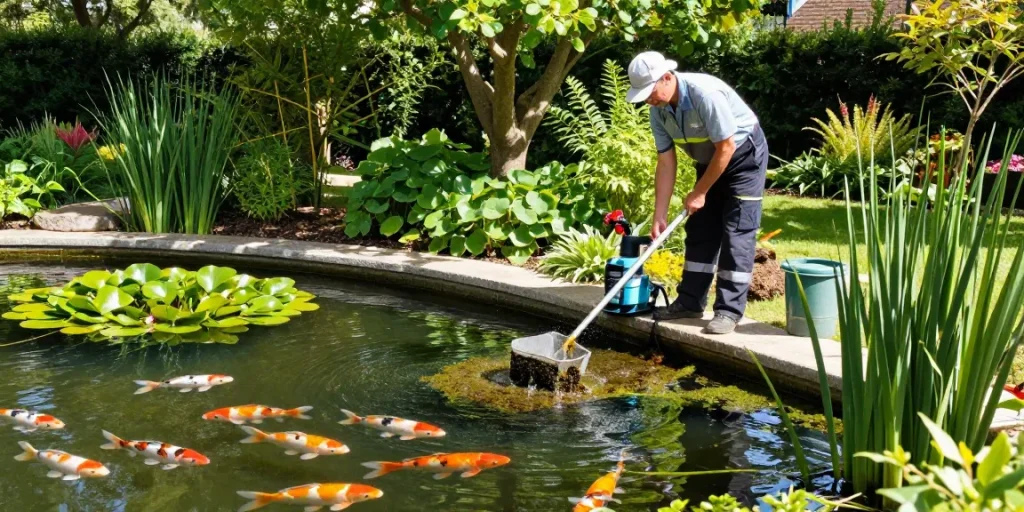
Understanding the Importance of Pond Cleaning
Ponds are not just aesthetic features in gardens; they serve as vibrant ecosystems that support a variety of wildlife and plant life. However, maintaining their health requires regular cleaning and care. In Pond Cleaning Surrey, understanding the nuances of pond maintenance is crucial for sustaining the ecological balance while ensuring the water remains crystal clear and safe for aquatic life. Neglecting pond upkeep can lead to serious problems that require extensive remedial measures.
Why Regular Maintenance is Crucial?
Regular maintenance of your pond prevents the accumulation of debris, algae, and harmful bacteria. Without periodic cleaning, sediments can build up, leading to a decrease in oxygen levels, which adversely affects fish and other aquatic organisms. Moreover, a clean pond enhances the visual appeal of your property and can significantly increase its value.
Common Issues in Neglected Ponds
- Algal Blooms: Excess nutrients in the water can trigger harmful algal blooms, which can lead to oxygen depletion.
- Debris Accumulation: Leaves, twigs, and other organic matter can decompose and release toxins, creating a fouled environment.
- Water Quality Issues: Dirty water can lead to unpleasant smells and can harm fish health, resulting in diseases.
- Invasive Species: Neglected ponds often become breeding grounds for invasive plants and animals, which can disrupt the local ecosystem.
Benefits of Professional Pond Cleaning Services
Hiring a professional service for pond cleaning ensures the job is done efficiently and effectively. Experts bring specialized knowledge, tools, and techniques that can help restore your pond to its ideal condition much faster than DIY methods. Additionally, professionals can provide insights into environmental best practices and long-term maintenance strategies, improving the sustainability of your pond.
Best Practices for Pond Cleaning Surrey
Effective pond cleaning is not just about removing dirt; it involves a systematic approach that guarantees long-term health for your aquatic ecosystem. When exploring options, Pond Cleaning Surrey provides comprehensive insights into maintaining clean and healthy water bodies.
Step-by-Step Cleaning Process
- Assessment: Begin by evaluating the pond’s condition, identifying any issues like algae growth or accumulated debris.
- Drain (if necessary): In cases of severe neglect, consider draining part of the pond to facilitate thorough cleaning.
- Remove Debris: Use nets and rakes to remove leaves, grass, and other surface debris.
- Algae Control: Apply eco-friendly algae removers or manually scrub surfaces to eliminate stubborn growth.
- Water Quality Test: Test for pH, ammonia, nitrites, and other critical parameters to adjust as necessary.
- Refill: If drained, refill the pond gradually, ensuring the introduction of fresh water and beneficial bacteria.
- Reintroduce Aquatic Life: If fish were removed, reintroduce them only once the water conditions have stabilized.
Tools and Equipment Needed for Effective Cleaning
Having the right tools can streamline the cleaning process significantly. Essential equipment includes:
- Pond nets for debris removal
- Hand rakes for larger items
- Algae scrub brushes for cleaning pond surfaces
- Water testing kits for quality assessment
- Sludge vacuums for deeper cleaning
- Water pumps for draining and refilling
Seasonal Considerations for Pond Care
Pond care is a year-round activity, but specific tasks should align with seasonal changes:
- Spring: Ideal for cleaning after winter; assess any damage from harsh weather.
- Summer: Focus on algae control and maintaining water levels during heat waves.
- Autumn: Clear leaves and debris to prevent decay in the pond over winter.
- Winter: Insulate the pond if necessary and monitor for ice to ensure fish survival.
Eco-Friendly Pond Cleaning Techniques
Maintaining a clean pond doesn’t have to come at the expense of the environment. Eco-friendly techniques can preserve pond health while protecting local flora and fauna.
Natural Algae Control Methods
One of the most effective natural methods for managing algae growth is through the introduction of competitive native plants. These plants can absorb excess nutrients, which algae thrive on, thereby controlling their growth while enhancing the pond’s environment.
Using Beneficial Bacteria for Water Quality
Beneficial bacteria can breakdown organic waste and improve water quality. These microorganisms help maintain a balanced ecosystem by consuming excess nutrients, thereby preventing algae blooms and foul odors.
Incorporating Native Plants into Pond Management
Native plants not only beautify the pond but also support local wildlife. They consume nutrients effectively and provide shelter for fish and other aquatic life, promoting a balanced ecosystem.
Choosing the Right Pond Maintenance Service
Selecting a reliable pond maintenance service is essential for long-term success. It’s crucial to understand what qualities to look for in a service provider.
What to Look for in a Service Provider?
- Experience: Look for companies with a proven track record in pond maintenance.
- Expertise: Ensure they have knowledgeable staff familiar with local ecosystems.
- Equipment: A good service provider will have the right tools and safe cleaning solutions.
- Customer Support: Opt for companies that offer excellent customer service and follow-up consultations.
Comparing Costs: DIY vs. Professional Services
While DIY cleaning may seem cost-effective, consider the time, effort, and potential mistakes that can arise from inexperience. Professional services, although may have higher upfront costs, can save you from hefty repair bills in the long run.
Customer Testimonials and Reviews in Surrey
Researching customer testimonials can provide insight into the quality of service a company delivers. Look for feedback regarding their reliability, effectiveness, and customer service experience.
Future Trends in Pond Cleaning and Maintenance
As environmental awareness increases, the pond maintenance industry is evolving to include innovative practices and products aimed at sustainability.
Innovations in Pond Cleaning Technology
Emerging technologies, such as automated cleaning systems and advanced water monitoring devices, are simplifying pond maintenance, making it more efficient and less labor-intensive.
Predicted Trends for Pond Care in 2026
As we move toward 2026, expect an increased focus on eco-friendly products, including organic treatments for algae and natural water filtering systems that enhance habitat quality.
How Climate Change Affects Pond Ecosystems
Climate change poses significant risks to pond ecosystems, from altering water temperatures to impacting species diversity. Understanding these changes will be essential in creating adaptive management strategies to maintain healthy ponds.
What are the signs that my pond needs cleaning?
Common signs include cloudy water, visible algae growth, foul odors, and an excessive buildup of debris along the edges. If you notice any of these conditions, it’s time to consider a cleaning.
How often should I professionally clean my pond?
Most experts recommend having your pond professionally cleaned at least once a year, though more frequent cleanings may be necessary depending on the size of the pond and the presence of fish and plants.
Can I clean my pond without professional help?
While some pond owners may choose to clean their ponds without professional help, it requires knowledge and the right tools to avoid damaging the ecosystem. If uncertain, hiring a professional is advisable.
What types of algae are common in ponds?
Common types include green algae, blue-green algae, and filamentous algae. Each type can impact water quality and pond health differently, necessitating distinct management strategies.
How do I maintain water quality in my pond?
Regular testing of water parameters, maintaining balanced plant life, and ensuring proper aeration are critical for maintaining healthy water quality in your pond.