
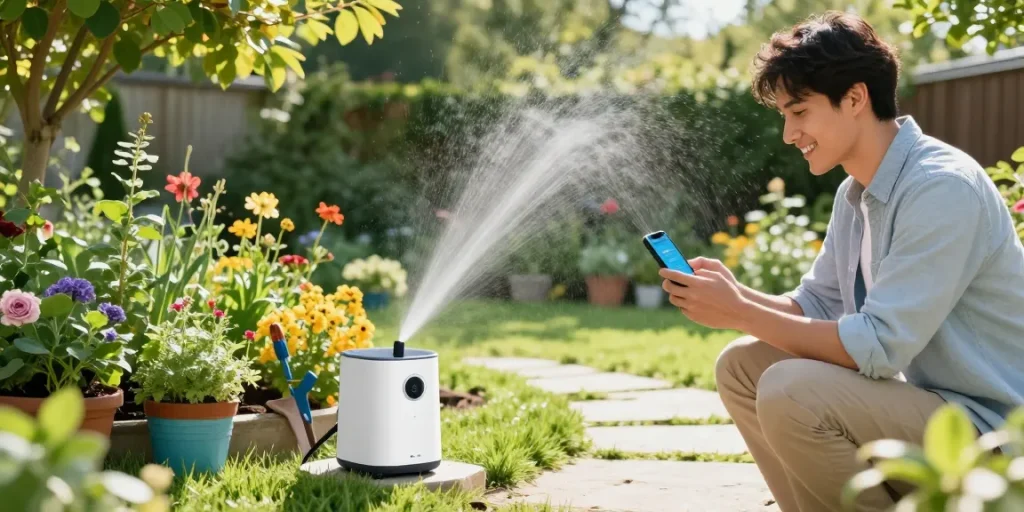
Understanding Smart Sprinklers and Their Benefits
In today’s fast-paced world, managing a garden or lawn can be a daunting task. With increasing urbanization and fluctuating weather patterns, homeowners often find themselves in a constant battle against water scarcity and plant health. This is where smart sprinkler systems come into play. These innovative devices not only automate the watering process but also enhance plant growth while conserving precious water resources. This article delves into the multifaceted benefits of smart sprinklers, making a strong case for their integration into modern gardening.
What is a Smart Sprinkler System?
A smart sprinkler system is an advanced irrigation solution that utilizes technology to optimize watering schedules and techniques. Unlike traditional timers, which operate on fixed schedules, smart sprinklers leverage data analytics, weather conditions, and soil moisture levels to deliver precise amounts of water exactly when and where it’s needed. These systems can be controlled remotely via mobile applications, providing users with unprecedented flexibility and control over their irrigation practices.
Key Advantages of Smart Sprinklers for Homeowners
- Water Efficiency: Smart sprinklers adjust watering based on real-time weather data, reducing waste and ensuring plants receive only the water they need.
- Time Savings: Automating irrigation frees up time for homeowners, allowing them to focus on other gardening tasks or leisure activities.
- Data-Driven Insights: Many smart systems provide detailed reports on water consumption and the health of plants, helping homeowners make informed decisions.
- Remote Control: Users can adjust schedules and settings from anywhere, ensuring that landscapes are cared for even when they are away from home.
How Smart Sprinklers Contribute to Water Conservation
Water conservation is a pressing global issue, and smart sprinkler systems are at the forefront of sustainable gardening practices. By incorporating moisture sensors and weather forecasts, these devices can significantly reduce water usage. For instance, if rain is forecasted, the smart sprinkler will postpone irrigation, preventing unnecessary water use. Additionally, many systems allow for zone-specific watering, ensuring that areas with drought-tolerant plants receive less water than those with more water-intensive species.
Installation and Setup: Your Journey with Smart Sprinklers
Preparing Your Garden for Smart Sprinkler Installation
Before diving into the installation process, it’s crucial to assess your garden’s layout and specific watering needs. Consider factors such as:
- The types of plants you have and their water requirements.
- The current irrigation setup, if any, and its efficiency.
- The layout of your lawn or garden, including slopes and sun exposure.
Once you have this information, you can choose a smart sprinkler system that best fits your needs.
Step-by-Step Installation Process
- Gather Tools: Ensure you have all necessary tools, including wrenches, screwdrivers, and any specific components that come with your smart sprinkler system.
- Install the Controller: Mount the control unit in a convenient location near your water source, preferably sheltered from harsh weather conditions.
- Connect the Valves: Attach your sprinkler valves to the corresponding zones in your garden layout. Follow the manufacturer’s instructions for specific connections.
- Install the Sensors: If your system includes soil moisture sensors, place them in the appropriate areas of your garden to monitor moisture levels accurately.
- Connect to Power and Water Supply: Ensure that all connections are secure and that your system has access to a reliable water and power supply.
- Download the App: Most modern smart sprinkler systems come with a mobile app to control and monitor the system. Download the app and follow the setup instructions.
Troubleshooting Common Installation Issues
Even with careful preparation, you may encounter issues during installation. Here are some common problems and their solutions:
- WiFi Connectivity Issues: Ensure your controller is within range of your WiFi network. Consider using a WiFi extender if needed.
- Valve Malfunctions: Check for any leaks or obstructions in the valves. Ensure they are installed correctly according to instructions.
- Sensor Calibration Problems: Make sure moisture sensors are placed properly in the soil and that they are calibrated according to the manufacturer’s guidelines.
Integrating Technology into Your Gardening Routine
Connecting Your Smart Sprinkler to Mobile Apps
The true power of a smart sprinkler lies in its connectivity. After installation, you can connect your system to a mobile application, allowing you to manage your irrigation from anywhere. Most apps are user-friendly and provide features such as:
- Real-time monitoring of water usage.
- Customizable watering schedules tailored to plant types and weather conditions.
- Notifications and alerts for maintenance needs and system performance.
Understanding Moisture Sensors and Their Benefits
Moisture sensors are a vital component of many smart irrigation systems. These sensors measure the moisture content in the soil and provide this data to the controller. The benefits include:
- Preventing Overwatering: By only watering when soil moisture levels drop below a certain threshold, you can avoid damaging plants due to overwatering.
- Improving Water Efficiency: Moisture sensors ensure that water is applied only when needed, contributing to sustainable gardening practices.
Automating Your Watering Schedule for Optimal Growth
Automation is one of the greatest features of smart sprinkler systems. By setting flexible schedules based on seasonal changes and plant needs, homeowners can optimize growth and reduce manual labor. For example, you can schedule more frequent watering during hot summer days and reduce watering frequency during cooler months.
Real-World Applications: Success Stories
Case Study: Transforming Urban Gardens with Smart Technology
A community garden in an urban area successfully integrated smart sprinkler systems to combat water shortages. By installing smart technology, the gardeners reported a 50% reduction in water usage while maintaining vibrant plant growth. This not only saved water but also ensured more plants could thrive in the limited space, maximizing the community’s output.
Homeowner Testimonials: Experiences with Smart Sprinklers
Many homeowners have shared their positive experiences with smart sprinklers. One user commented, “I’ve been able to enjoy my garden without worrying about the water bills. The smart sprinkler adjusts to the weather, and I’ve seen my plants flourish!”
Comparing Traditional vs. Smart Watering Practices
Traditional watering methods often lead to wasted water and uneven soil moisture levels. In contrast, smart sprinklers ensure that every drop counts. For instance, where a traditional system might water for 30 minutes regardless of rainfall, a smart system can skip watering altogether if it has rained recently, thereby conserving resources.
Future Trends in Smart Irrigation Technology by 2026
Innovations Shaping the Future of Smart Sprinklers
The future of smart irrigation is bright, with ongoing innovations aimed at enhancing efficiency and user experience. Future trends include:
- AI Integration: Artificial intelligence is set to play a crucial role in predicting water needs based on historical data and climate patterns.
- Biodegradable Sensors: New technologies will focus on environmentally friendly materials for sensors, making them easier to dispose of and reducing environmental impact.
The Role of Artificial Intelligence in Irrigation
AI technology will enable smart sprinklers to learn from user input and environmental changes, continuously optimizing watering schedules and improving plant health outcomes. This could revolutionize gardening practices, making it more accessible for individuals of all skill levels.
Preparing for Changes in Landscaping and Climate Adaptation
As climate dynamics evolve, smart irrigation systems will need to adapt to changing weather patterns and plant needs. Future models will likely incorporate adaptive learning capabilities to adjust watering habits in real-time, ensuring that gardens remain resilient irrespective of climatic shifts.
How to Maximize Your Smart Sprinkler’s Efficiency?
To get the most out of your smart sprinkler system, consider these tips:
- Regularly check sensor placement and functionality.
- Monitor water usage reports to identify any irregularities.
- Stay updated with app updates to ensure your system runs on the latest technology.
What Maintenance Does a Smart Sprinkler Require?
Smart sprinklers require minimal maintenance; however, regular checks can extend their life significantly. This includes:
- Cleaning filters and hoses.
- Inspecting sensors for damage.
- Updating firmware via the mobile app.
Are Smart Sprinklers Worth the Investment?
Investing in a smart sprinkler system can lead to significant long-term savings in water costs and time. Moreover, the health benefits for your plants can make the initial investment worthwhile. As technology advances, smart irrigation will become more affordable, making it an increasingly attractive option for eco-conscious homeowners.