Understanding the Black Screen Tool
The concept of a pantalla negra or black screen tool is often overlooked, yet it holds significant utility across various scenarios in both personal and professional environments. From helping users focus to serving as an effective tool for energy conservation, the black screen has become an essential resource in modern computing. As we delve deeper into this multifunctional tool, we will explore its features, benefits, and the growing trend of minimalism in digital applications.
What is Pantalla Negra?
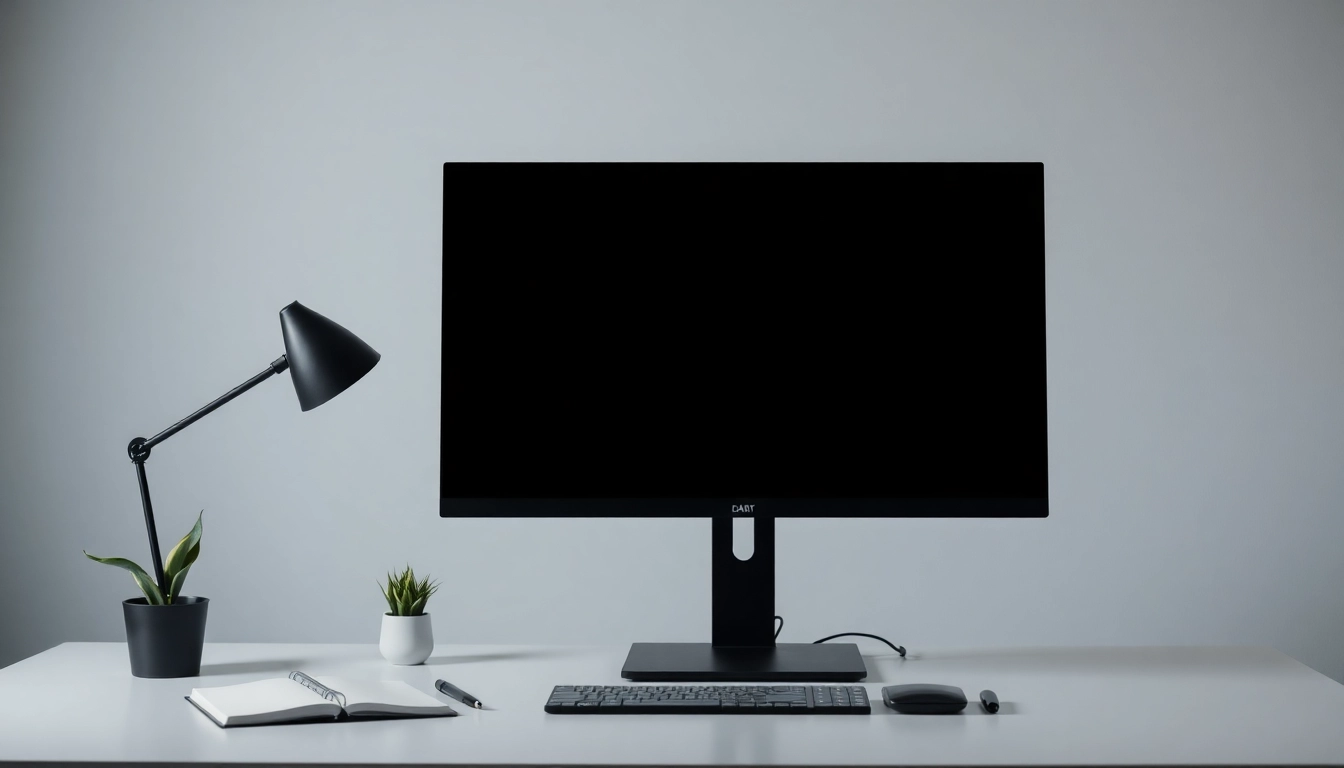
The term pantalla negra refers to a display that shows a solid black image on the screen. This tool can be accessed online, requiring no downloads or installations. Its functionality spans multiple uses, from reducing screen glare during movie sessions to providing a dark background during presentations or while multitasking. The convenience of having a pure black screen readily available enhances the user experience, particularly in low-light conditions.
Benefits of Using a Black Screen
Utilizing a black screen presents several advantages:
- Eye Comfort: Reduces eye strain by minimizing brightness and glare, making it easier to rest your eyes.
- Power Savings: Particularly beneficial for OLED and AMOLED displays, where black pixels consume less energy and can extend battery life.
- Theming Flexibility: Ideal for creating minimalistic workspaces, allowing the user to focus without distractions.
- Cleaning Aid: A black screen can make dust and smudges more visible, helping users clean their monitors effectively.
Common Uses in Various Contexts
The uses for a black screen are diverse, catering to various needs such as:
- Studying: Creating a distraction-free environment to enhance concentration.
- Gaming: Dimming a second monitor during gameplay to enhance immersion without turning it off.
- Energy Conservation: Leaving monitors on standby with a black screen instead of shutting down, conserving energy.
- Pixel Testing: Checking for dead or stuck pixels on monitors for quality assurance.
How to Use Pantalla Negra Effectively
Step-by-Step Guide to Launching
To launch the black screen tool, follow these simple steps:
- Visit the designated tool webpage.
- Select the desired resolution for your black screen display (e.g., 1920x1080 or 4K).
- Click the 'Launch' button to bring the black screen into full view.
- To exit fullscreen mode, simply press F11 or the ESC key.
Full-Screen Features Explained
Activating the full-screen feature provides a borderless black screen, helping to create a completely immersive experience. This is particularly useful for:
- Watching movies without distractions from operating system elements.
- Enhancing the focus during digital presentations or remote meetings.
- Using the screen as a backdrop for creative work, allowing users to gauge colors and designs against a neutral background.
Pro Tips for Optimal Use
For the best experience when using a black screen, consider the following tips:
- Utilize the black screen in tandem with other color screens to test the overall performance of your display.
- Keep your environment dark to maximize the effects of reduced glare and eye strain.
- Regularly switch between the black screen and other colors to avoid display burn-in, especially on OLED panels.
Pantalla Negra for Power Saving
Energy Conservation Benefits
One of the primary advantages of utilizing a pantalla negra is its ability to conserve energy. This is particularly true for displays that utilize OLED technology. When black pixels are displayed, the corresponding pixels are turned off, resulting in less power consumption. This not only extends battery life but also contributes to reducing overall energy usage in household devices.
Reducing Carbon Footprint with Black Screens
As environmental concerns grow, reducing one's carbon footprint has become increasingly important. Leveraging a black screen tool is a simple yet effective measure in contributing to sustainability. By diminishing energy waste when devices are in standby modes or while engaged in low-power activities, you are actively participating in energy conservation efforts at home or in the workplace.
How It Works on Different Display Types
Various display types, including LCD, OLED, and AMOLED, respond differently to black screens:
- OLED Displays: Gain the most significant power-saving benefits as black pixels effectively turn off the screen's light.
- LCD Displays: While not as energy efficient, using a black screen can still reduce glare and enhance user comfort.
- AMOLED Displays: Similar to OLEDs, they benefit from power savings and less strain on the device's battery.
Addressing Common Misconceptions
Does Black Screen Damage Displays?
No, using a black screen does not damage displays. It displays a uniform color across the panel without causing undue strain on the pixels. This can help prevent burn-in issues by allowing the screen to rest from bright content.
Is It Safe to Use Offline?
Yes, the black screen tool can be used offline once it is loaded. This feature makes it a reliable option for various scenarios, including situations where internet connectivity is limited.
Myths vs. Facts About Screen Burn-In
There are several myths regarding screen burn-in. While leaving static images on screens for extended periods can lead to burn-in, using a black screen in between activities can prevent this issue, especially with displays sensitive to prolonged exposure to bright content. Switching between different screen colors can also help maintain screen integrity over time.
Future Trends in Screen Technology
Emerging Features for Minimalism
The future of screen technology is leaning toward minimalism, focusing on enhancing user experience while reducing distractions:
- Increased support for dark modes and themes across applications.
- Development of more energy-efficient displays, maximizing battery life while maintaining brightness.
- Greater accessibility features to accommodate users seeking to minimize cognitive overload.
Predictions for OLED and AMOLED Displays
As OLED and AMOLED technology continues to evolve, we can expect:
- Improved longevity and durability of screens to withstand potential burn-in.
- Enhanced power-saving features that leverage advanced algorithms to minimize energy consumption further.
- Support for higher resolutions while maintaining energy efficiency, benefitting both casual users and professional designers.
Technology Innovations for User Comfort
Future innovations will aim to enhance user comfort further:
- Adaptive brightness controls based on environmental light conditions.
- Tools for managing screen time effectively, discouraging prolonged exposure to bright screens.
- Integration with eye-tracking technology to automatically adjust display settings based on user engagement.