Understanding the Foundations of Education
Education is a cornerstone of society, shaping individuals and communities alike. Its importance cannot be overstated as it provides the knowledge, skills, and critical thinking abilities necessary for success in today’s rapidly evolving world. In this article, we will delve into the multifaceted nature of education, explore its purpose, various systems, and the significant role technology plays within this vital sector. For an extensive range of information and resources on Education, this exploration aims to provide insights that are both informative and actionable.
The Purpose of Education
The purpose of education goes beyond merely imparting knowledge; it is about preparing individuals for life. Education serves several key functions:
- Knowledge Acquisition: The primary goal of education is to equip learners with the necessary knowledge and skills required to succeed in various domains.
- Social Development: Education fosters social skills, encouraging students to interact, collaborate, and communicate effectively.
- Cultural Transmission: It ensures the preservation and dissemination of cultural values, beliefs, and practices from one generation to another.
- Civic Engagement: Education drives awareness and participation in civic duties, encouraging informed and responsible citizenship.
- Economic Productivity: An educated workforce enhances a nation's productivity, innovation, and competitiveness on a global scale.
Types of Education Systems
Education systems vary significantly across different regions and cultures. The primary types include:
- Formal Education: This type occurs in structured settings such as schools and universities, following a set curriculum and leading to certification.
- Informal Education: Learning that occurs outside formal institutions, often through life experiences, readings, and social interactions.
- Non-Formal Education: Organized educational activity outside the formal system, including community-based programs and workshops that target specific learning goals.
The Role of Technology in Education
Technology has transformed the landscape of education, introducing innovative methods and resources that enhance learning experiences. Some notable aspects include:
- Access to Information: The internet provides a vast array of resources, allowing learners to access information anytime and anywhere.
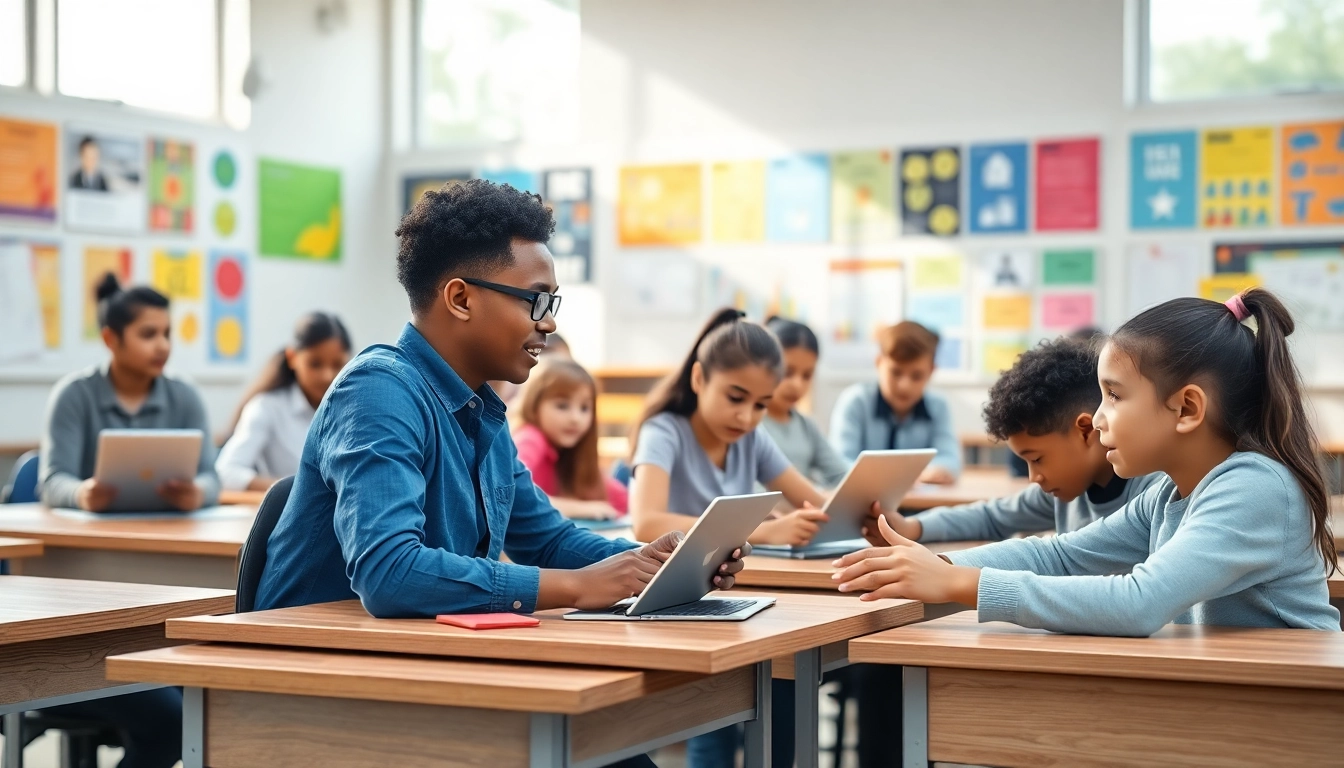
- Interactive Learning: Digital learning tools and platforms offer interactive and personalized learning experiences that cater to individual learning styles.
- Collaboration: Technology facilitates collaboration among students and educators through online forums, video conferencing, and collaborative projects.
- Data-Driven Insights: Education technology enables the collection and analysis of learning data, helping educators tailor their approaches to meet students' needs effectively.
Adapting Education for All Learners
As education evolves, it is essential to recognize and adapt to the diverse needs of all learners. Each individual comes with unique strengths, challenges, and backgrounds that influence their educational experience. Here, we explore inclusive strategies to ensure equitable education for everyone.
Inclusive Education Strategies
Inclusive education strives to create a learning environment where all students, regardless of their abilities or backgrounds, feel welcomed and supported. Effective strategies include:
- Differentiated Instruction: Tailoring teaching methods and materials to accommodate various learning styles and paces, ensuring every student can engage with the content.
- Universal Design for Learning (UDL): A framework that provides multiple means of engagement, representation, and action, ensuring accessibility for all learners.
- Collaborative Teaching: Promoting collaborative approaches among educators, special education specialists, and support staff to enhance student learning experiences.
Recognizing Diverse Learning Needs
Diverse learning needs encompass a range of factors, including cognitive, emotional, and physical differences. Acknowledging these needs allows educators to implement tailored strategies that enhance learning outcomes:
- Assessment Methods: Using various assessment tools to gain insights into individual student needs and progress helps educators adjust their teaching methods accordingly.
- Social-Emotional Learning (SEL): Integrating SEL into the curriculum supports students' emotional well-being, encouraging resilience, empathy, and social skills.
- Culturally Responsive Teaching: Eliciting students’ cultural backgrounds in lesson plans fosters relevance and connection, enhancing engagement and learning.
Bridging Gaps in Accessibility
Accessibility in education is paramount to creating an inclusive environment. Addressing common barriers ensures all learners can partake fully in educational opportunities:
- Assistive Technology: Implementing tools and technologies that assist learners with disabilities can significantly enhance their educational experience.
- Flexible Learning Environments: Creating varied learning setups—such as quiet spaces for concentration or areas for group work—allows students to choose what works best for them.
- Support Networks: Establishing support systems involving counselors, mentors, and peer tutoring can help bridge gaps in accessibility and provide personalized assistance.
Implementing Best Practices in Education
Best practices in education enhance the quality of teaching and learning. Educators play a critical role in shaping effective practices that foster a conducive learning environment. Here, we identify some of the most effective methods for implementation.
Engaging Teaching Methods
Engaging students in the learning process is vital for long-term retention of information. The following teaching methods have proven effective:
- Active Learning: Encouraging students to participate actively through discussions, group work, and hands-on activities promotes critical thinking and engagement.
- Project-Based Learning: Providing students with real-world problems to solve through collaborative projects cultivates teamwork and application of knowledge.
- Flipped Classroom: Allowing students to learn content at home via digital resources and use classroom time for discussion and application enhances understanding.
Effective Classroom Management
Classroom management is essential to facilitate a productive learning environment. Effective strategies include:
- Clear Expectations: Establishing and communicating behavior expectations helps maintain a positive classroom atmosphere.
- Consistent Routines: Implementing routines fosters predictability, making students feel secure and more willing to engage in learning activities.
- Positive Reinforcement: Recognizing and rewarding good behavior encourages students to adhere to class norms and promotes a healthy learning environment.
Assessing Student Progress
Assessing student progress is crucial to inform teaching practices and ensure all students are meeting their learning goals. Effective assessment strategies include:
- Formative Assessment: Utilizing ongoing assessments to monitor student learning and provide timely feedback that guides instructional adjustments.
- Summative Assessment: Conducting comprehensive evaluations at the end of learning units to measure knowledge and skill acquisition.
- Peer Assessment: Encouraging students to assess one another fosters collaborative learning and critical reflection on their work.
Utilizing Resources to Enrich Education
The importance of resources in education cannot be understated. Utilizing a variety of educational materials and platforms can greatly enhance learning experiences for students and educators alike.
Interactive Learning Materials
Interactive learning materials, such as simulations, games, and hands-on activities, engage students more effectively than traditional teaching methods:
- Gamified Learning: Incorporating game elements in lessons makes learning fun while also enhancing motivation and participation.
- Simulations: Utilizing virtual simulations allows students to practice real-life scenarios in a controlled environment, facilitating experiential learning.
- Multimedia Resources: Videos, podcasts, and interactive visuals can cater to diverse learning preferences and increase student engagement.
Online Educational Platforms
Online educational platforms have revolutionized access to learning resources, enabling a more flexible approach to education:
- Learning Management Systems (LMS): Tailored platforms facilitate course delivery, enable assessments, and track student progress effectively.
- Open Educational Resources (OER): Offering free educational materials alleviates financial burdens for students and promotes accessible education.
- Virtual Classrooms: Enabling remote learning through video conferencing tools allows educators to reach students regardless of location.
Collaboration with Community Resources
Engaging with community resources enriches the education experience by building partnerships that enhance learning:
- Community-Based Programs: Collaborating with local organizations provides students with access to additional learning opportunities and resources.
- Guest Speakers: Bringing experts from various fields into the classroom offers students real-world insights and applications of their classroom learning.
- Internships and Field Trips: Facilitating experiential learning through internships and field visits creates connections between classroom knowledge and real-world applications.
Measuring the Impact of Education Innovations
As education continues to evolve, it is crucial to measure the impact of innovative practices and technologies on learning outcomes. Understanding the impact ensures effective implementation and continual improvement.
Evaluating Educational Outcomes
Evaluating educational outcomes provides insights into the effectiveness of various educational practices. Key evaluation methods include:
- Data Analysis: Analyzing academic performance data before and after implementing new practices helps assess their effectiveness.
- Feedback Surveys: Gathering feedback from students, parents, and educators can offer valuable insights into the educational experience and areas for improvement.
- Benchmarking: Comparing performance data with national or regional standards helps identify areas where additional focus is needed.
Long-term Benefits of Improved Education
The benefits of effective education are expansive and long-lasting. Improved education outcomes can lead to:
- Better Economic Opportunities: A more educated workforce increases employment opportunities and enhances job security for individuals.
- Improved Health Outcomes: Education correlates with better health decisions, reducing healthcare costs over time.
- Social Cohesion: Higher education levels within a community often lead to increased civic participation and social responsibility.
Strategies for Continuous Improvement
To ensure education remains effective and relevant, continuous improvement strategies should be employed:
- Professional Development: Continuous learning for educators through training and workshops keeps teachers updated with current trends and best practices.
- Collaborative Reflection: Engaging educators in reflective discussions about their practices fosters a culture of shared learning and improvement.
- Staying Informed: Keeping abreast of research and developments in education ensures that practices are evidence-based and effective.
In conclusion, the landscape of education is vast and dynamic, filled with opportunities for growth and development. By understanding its foundations, adapting to diverse learner needs, implementing best practices, utilizing enriching resources, and measuring the impact of innovations, we can create an inclusive and effective educational environment that prepares all learners for the future.