Understanding Saltwater Fly Fishing
What is Saltwater Fly Fishing?
Saltwater fly fishing is a captivating and exhilarating variant of fly fishing that focuses on catching marine fish species in saltwater environments. This unique angling technique utilizes lightweight equipment and specialized flies that imitate the natural food sources of fish found in oceans, bays, and coastal waters. With the thrill of fishing in expansive and dynamic waters, saltwater fly fishing attracts anglers looking to combine skill with the excitement of targeting larger game fish species.
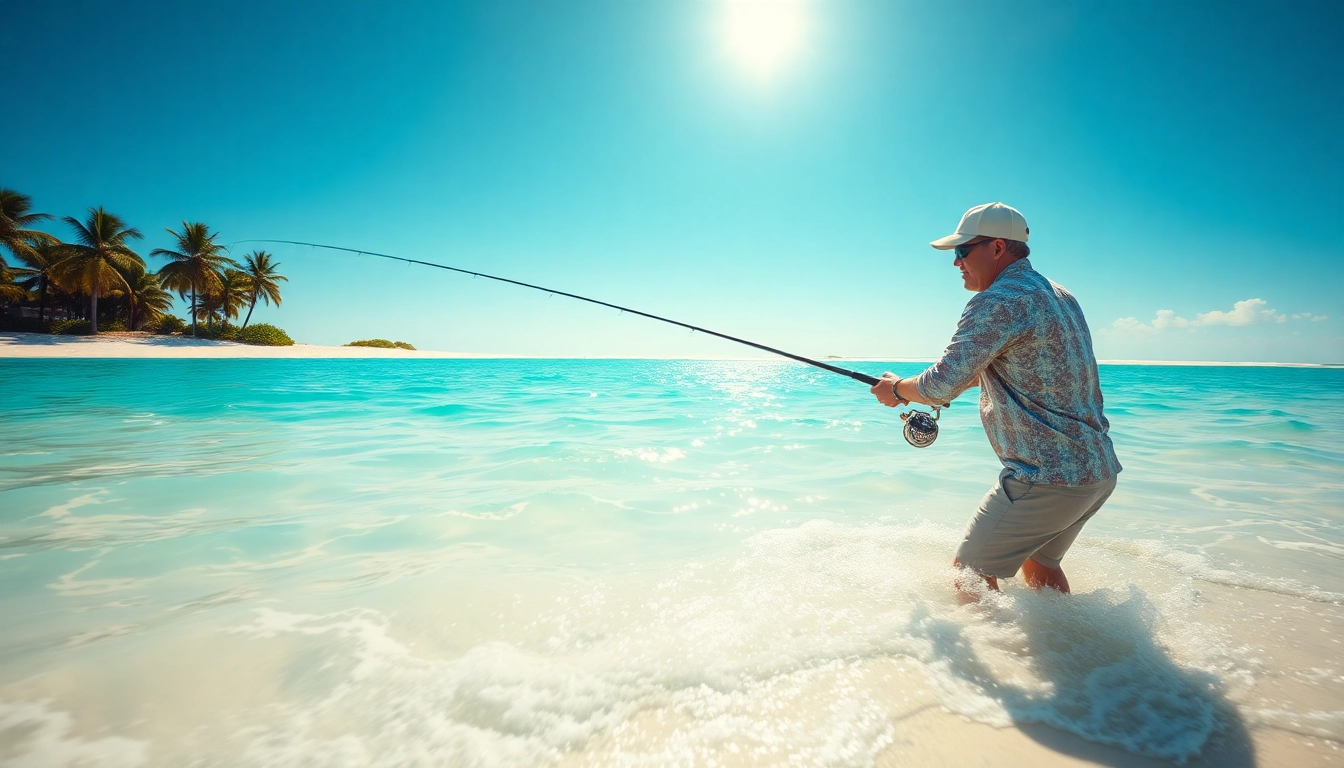
Whether you are wading into the surf, casting from a boat, or fly fishing along the beach, saltwater fly fishing promises an adventure filled with the beauty of nature. Not only does it require technical prowess, but it also calls for an understanding of marine ecosystems, weather patterns, and the habits of different species. Engaging in Saltwater fly fishing can be immensely rewarding, providing seasoned anglers and beginners alike with unforgettable experiences.
Key Differences from Freshwater Fishing
While both freshwater and saltwater fly fishing share common principles, several key differences set them apart.
- Species Variety: Saltwater environments host a broader diversity of fish species compared to freshwater. Target species might include tarpon, bonefish, snook, and permit, which are often larger and more challenging to catch.
- Equipment: Saltwater fly rods, reels, and lines differ significantly from freshwater gear. Saltwater rods are typically sturdier to handle larger fish, while reels must withstand corrosion from saltwater.
- Techniques: Techniques for casting and retrieving flies can vary, as saltwater fishing often involves dealing with wind, currents, and tides that don't typically affect freshwater fishing.
- Environment: Saltwater fishing often takes place in dynamic environments, such as flats, reefs, and surf zones, where understanding the marine ecosystem becomes essential for success.
Popular Saltwater Species
Anglers are drawn to saltwater fly fishing due to the trophy-sized species they can catch. Here are some popular species to target:
- Bonefish: One of the most sought-after species in shallow flats, known for their speed and agility.
- Tarpon: Known as the "silver king," tarpon can grow substantial sizes and are famous for spectacular aerial leaps when hooked.
- Permit: Considered a challenging catch, permit are often found in shallow waters and are known for their wariness.
- Snook: These aggressive feeders thrive in warm coastal waters and are renowned for their challenging fight.
- Redfish: Popular among anglers for their availability in estuaries and coastal regions, redfish are also delicious and prized catches.
Essential Gear for Saltwater Fly Fishing
Choosing the Right Rod and Reel
Selecting the appropriate rod and reel is crucial for successful saltwater fly fishing. Saltwater rods are generally longer and made from materials that resist saltwater corrosion. A typical rod weight ranges from 8 to 12, depending on the species targeted and the fishing environment.
Your reel should have a strong drag system to handle the runs of larger fish. Look for reels that are well-sealed against saltwater penetration, ensuring durability and performance in challenging conditions. A balanced setup plays a vital role in casting distance and control, influencing overall success.
Understanding Saltwater Fly Fishing Lines
Fly lines for saltwater fishing are designed to handle the challenges presented by marine environments. They typically come in floating, sinking, and intermediate styles, allowing anglers to choose based on the fishing conditions.
Most saltwater fly lines have a weight-forward taper, providing better turnover and casting performance over long distances. A specialized line that is heavily weighted is ideal for targeting deeper waters where larger species reside.
Flies: Types and Usage
Choosing the right flies is crucial to success in saltwater fly fishing. Flies can be categorized into several types, each serving unique purposes:
- Streamers: Designed to imitate fleeing baitfish, streamers are effective for predatory fish like snook and tarpon.
- Crabs and Shrimp Patterns: Ideal for targeting species like permit and bonefish, these flies mimic essential dietary items in tropical waters.
- Poppers and Gurglers: These surface flies create noise and movement, attracting attention from fish in shallow waters.
- Clouser Minnows: A versatile choice, these weighted flies can imitate various aquatic life and are effective in multiple scenarios.
Techniques for Successful Saltwater Fly Fishing
Understanding Tides and Currents
Mastering the dynamics of tides and currents can significantly enhance your success in saltwater fly fishing. Fish are often more active and positioned favorably during specific tidal movements. During incoming tides, baitfish are pushed towards the shore, making it an ideal time to target game fish waiting in ambush.
Identifying the best times to fish based on tidal cycles can help you plan more productive fishing trips. Areas near inlets and estuaries can exhibit stronger currents and consequently attract more fish.
Effective Casting Techniques
Successful saltwater fly fishing relies heavily on effective casting techniques. Wind conditions can vary drastically, making it essential to refine your casting skills for various situations. Practice the double haul technique to increase line speed and improve casting distance against headwinds.
Different environments may also require specific casting techniques. For example, casting into the wind, or under low branches will necessitate precision and accuracy to avoid snags while ensuring your fly lands in optimal areas.
Reading Water for Fish
Understanding and reading the water is vital to locating fish. Clear water offers visibility into underwater structure and fish behavior. Look for signs of life, such as nervous water or diving birds, which can indicate baitfish presence.
Recognizing features like currents, sandbars, and submerged rocks helps determine areas that may provide cover for fish, increasing your chances of a successful catch. Learning to identify all these factors develops into an invaluable skill for any saltwater fly angler.
Top Saltwater Fly Fishing Destinations
Desirable Locations in the US
The United States offers a range of exquisite locations suitable for saltwater fly fishing, providing anglers the opportunity to fish diverse ecosystems:
- Florida Keys: Home to iconic locations like Islamorada and Key West, offering ample opportunities for targeting tarpon, bonefish, and permit.
- South Carolina Lowcountry: Known for its beautiful marshes and estuaries, it's an excellent destination for redfish and sea trout.
- San Francisco Bay: Noteworthy for its variety of species and approachable fishing spots, including opportunities for striped bass and halibut.
- Texas Gulf Coast: Renowned for its extensive flats and diverse game fish, providing ideal conditions for a thrilling fly fishing adventure.
International Saltwater Fly Fishing Hotspots
For those seeking adventure beyond domestic shores, several international destinations offer world-class saltwater fly fishing experiences:
- Belize: With its idyllic flats and coral reefs, Belize is a prime destination for targeting bonefish, permit, and tarpon.
- The Bahamas: Famous for its crystal-clear waters, the islands offer diverse fishing opportunities, particularly for bonefish.
- Australia: The Great Barrier Reef and surrounding waters provide chances to catch various species, including giant trevally and barramundi.
- Mexico: Areas like Ascension Bay have earned acclaim for their prolific fishing opportunities, particularly for species like tarpon and bonefish.
Seasonal Considerations for Traveling
When planning your fishing trips, timing can greatly influence your success. Different regions may have peak seasons for various species. Generally, warmer months attract more fish, as they are more active during this period. Researching local conditions, such as water temperature and spawning cycles, can enhance your productivity.
Furthermore, avoiding crowded peak seasons or traveling during the shoulder seasons can offer a more enjoyable experience with potentially less competition from other anglers.
FAQs about Saltwater Fly Fishing
Does fly fishing work in saltwater?
Yes, fly fishing is highly effective in saltwater, providing the opportunity to catch various species including bonefish, tarpon, and snook. Its adaptability and unique techniques make it popular among anglers in marine environments.
What types of fish can you catch while saltwater fly fishing?
Anglers can catch numerous species like tarpon, bonefish, permit, snook, and more. The variety of marine species makes saltwater fly fishing a thrilling and rewarding pursuit.
What equipment is best for beginners in saltwater fly fishing?
Beginners should start with a versatile 9-weight rod and reel, along with a floating line. This setup provides a solid foundation for targeting various saltwater species. Other essential gear includes quality flies and a sturdy leader.
Are there specific techniques to improve casting distance?
Practicing the double haul technique can help increase line speed and improve casting distance. Additionally, focusing on smooth, controlled movements and proper posture enhances distance while minimizing fatigue.
What's the best time of year for saltwater fly fishing?
The best time varies by location and targeted species. Generally, spring and summer months yield the most productive fishing, as fish are more active during warmer temperatures. Research seasonal patterns for destination-specific advice.