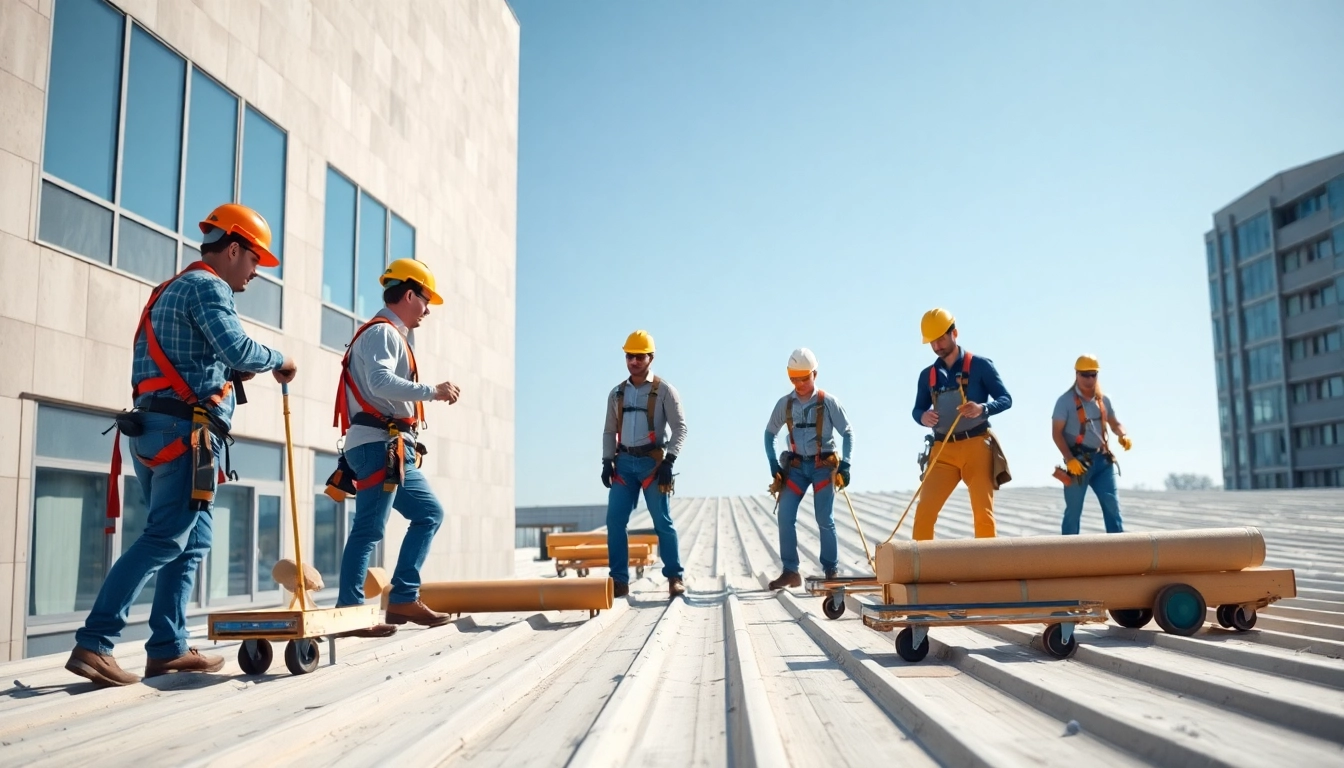
Understanding Commercial Roofing Services
What Are Commercial Roofing Services?
Commercial roofing services encompass a wide range of solutions tailored specifically for businesses that require durable and efficient roofing systems. Unlike residential roofing, which often focuses on aesthetics and shorter-term solutions, commercial roofing is designed to withstand the unique challenges faced by commercial buildings, including larger surface areas, different types of weather conditions, and heavier foot traffic. These services typically cover everything from installation and maintenance to repair and replacement of various roofing systems.
Businesses across various sectors—such as retail, manufacturing, and hospitality—rely on these services to protect their properties and ensure operational efficiency. In essence, commercial roofing services are vital for safeguarding an organization's assets and maintaining a safe environment for employees and customers alike.
Key Benefits of Quality Roofing
Investing in quality commercial roofing services provides several key benefits that can significantly enhance the longevity and efficiency of a commercial property.
- Durability: High-quality roofing materials can withstand harsh weather conditions, minimizing the risk of damage that can lead to costly repairs.
- Energy Efficiency: Quality roofing systems can improve insulation, leading to reduced energy costs. This is critical for businesses looking to lower operational expenses.
- Enhanced Aesthetics: A well-maintained roof improves the appearance of a commercial property, making it more appealing to customers or clients.
- Increased Property Value: A durable roofing system can increase the overall value of a commercial property, making it a wise investment for property owners.
- Safety and Compliance: Quality roofing services ensure that the roofing system meets local safety regulations, protecting employees and customers.
Types of Commercial Roofing Materials
The choice of roofing material is crucial as it impacts the long-term performance of the roof. Various materials are used in commercial roofing, each with its unique benefits:
- EPDM (Ethylene Propylene Diene Monomer): A popular choice for flat roofs, EPDM is known for its durability and cost-effectiveness.
- TPO (Thermoplastic Olefin): TPO is gaining popularity due to its energy efficiency and heat-reflective properties, making it ideal for commercial buildings in warmer climates.
- Metal Roofing: Metal roofs are incredibly durable and can last up to 50 years or more. They are also recyclable, making them an eco-friendly option.
- Modified Bitumen: This type consists of multiple layers, providing an added level of durability and watertight protection. It is often used for low-slope roofs.
- Built-Up Roofing (BUR): BUR involves layers of tar and gravel and is highly resistant to damage, making it suitable for flat roofs.
Selecting the Right Roofing System
Factors to Consider in Commercial Roofing
Selecting the right roofing system involves a careful consideration of various factors that can affect the performance, longevity, and cost of the roofing solution:
- Building Structure: The type of building and its structural integrity play a crucial role in determining which roofing material will work best.
- Climate: Different roofing materials perform better in specific climates. Understanding local weather conditions can influence material selection.
- Budget: The overall budget for the roofing project, including installation and maintenance costs, will guide the choice of materials.
- Maintenance Requirements: Some roofing types require more maintenance than others; therefore, a balance must be struck between minimal maintenance and upfront costs.
Evaluating Your Business's Roofing Requirements
Prior to selecting a roofing system, evaluating specific business requirements is essential:
- Usage of Roof: Determine if the roof will be used for operational purposes, such as a rooftop garden or mechanical equipment, which may affect design.
- Future Expansion: Consider potential future expansions or renovations that may require enhancements to the roofing system.
Common Challenges in Choosing Roofing Solutions
Even with comprehensive research, businesses may face challenges when choosing roofing solutions:
- Overwhelming Options: The variety of materials and systems available can make decision-making difficult.
- Misleading Quotes: Some companies may provide quotes that do not include hidden costs or necessary features.
- Long-term Performance Expectations: Misunderstandings about how material performance will hold up over time can lead to dissatisfaction.
Best Practices for Commercial Roofing Installation
Steps in the Roofing Installation Process
Successful commercial roofing installation involves several critical steps to ensure long-lasting results:
- Assessment: Conduct a thorough assessment of the building, existing roof conditions, and specific project requirements.
- Design and Planning: Develop a comprehensive plan considering all relevant parameters, including weather, cost, and future maintenance.
- Material Selection: Choose materials based on durability, cost, effectiveness, and suitability for your specific needs.
- Installation: Proper installation is crucial. Hire experienced contractors who specialize in commercial roofing.
- Post-Installation Inspection: Conduct an inspection after installation to ensure all aspects meet regulatory requirements and project goals.
Hiring Expert Contractors for Your Project
The expertise of roofing contractors can significantly influence the outcome of your roofing project. Here are some tips for selecting a reliable contractor:
- Credentials: Ensure the contractor holds the necessary licenses and certifications required in your state.
- Experience: Look for contractors with extensive experience in commercial roofing installations similar to yours.
- References and Reviews: Seek references and read online reviews to gauge past project success and client satisfaction.
- Insurance: Confirm the contractor carries adequate insurance coverage to protect against liabilities.
Maintaining Safety Standards During Installation
Safety should be the top priority during any roofing installation project. Key practices include:
- Use of Personal Protective Equipment (PPE): All crew members should wear PPE such as helmets, harnesses, and non-slip footwear.
- Proper Equipment Handling: Equipment should be regularly inspected and used according to manufacturer instructions.
- Emergency Preparedness: Implement safety protocols that include emergency response plans and proper training for the crew.
Maintenance and Repair of Commercial Roofing
Routine Maintenance for Longevity
Regular maintenance is vital to extending the life of your commercial roof. Best practices include:
- Scheduled Inspections: Have professionals inspect the roof regularly to identify and address potential issues before they escalate.
- Debris Removal: Ensure that debris and leaves are removed to prevent water pooling and associated damage.
- Gutter Maintenance: Clean and repair gutters to ensure effective drainage and reduce wear on the roofing system.
Identifying Signs of Roof Damage
Knowing the signs of roof damage can help in addressing issues promptly:
- Leaks: Water stains on the ceiling or walls indicate potential roof leaks that require immediate attention.
- Blistering or Bubbles: These can indicate trapped moisture under the roofing material, potentially leading to further deterioration.
- Cracks or Loose Materials: Signs of wear and tear should be addressed as they can compromise the roof's integrity.
When to Schedule Repairs or Replacements
Understanding when to repair versus replace is critical for cost management:
- Cost of Repairs: If repair costs exceed 25% of the roof’s value, a replacement may be more economical in the long run.
- Aging Roof: If the roof is nearing the end of its life expectancy, proactive replacement is advisable.
Cost Factors Associated with Commercial Roofing Services
Budgeting for Your Roofing Project
Budgeting effectively is a crucial aspect of planning for commercial roofing services. Factors influencing the total cost include:
- Material Selection: Different materials come with varying costs, influencing the overall budget.
- Labor Costs: The complexity of the installation can affect the labor expenses, which can vary by region.
- Site Accessibility: If the building is difficult to access, additional equipment or time may be required, impacting the price.
Understanding Pricing Models
Commercial roofing services may charge in different ways, such as:
- Flat Rate: A fixed price for the entire project based on an estimate of materials and labor.
- Time and Materials: Billing is based on the actual time spent and materials used, which can be beneficial for complex projects.
- Hourly Rate: Some contractors charge on an hourly basis, which can lead to variances in total cost depending on project duration.
Maximizing Value in Roofing Investments
To ensure you're getting the best value from commercial roofing services, consider these tips:
- Invest in Quality: A slightly higher initial investment in quality materials can lead to long-term savings through reduced maintenance and repairs.
- Warranty Options: Always inquire about warranties that can protect your investment and provide peace of mind.
- Plan for Future Maintenance: A proactive maintenance schedule can extend the lifespan of your roof, maximizing your investment's value.