Understanding the Ice Maker: Basics and Types
What is an Ice Maker?
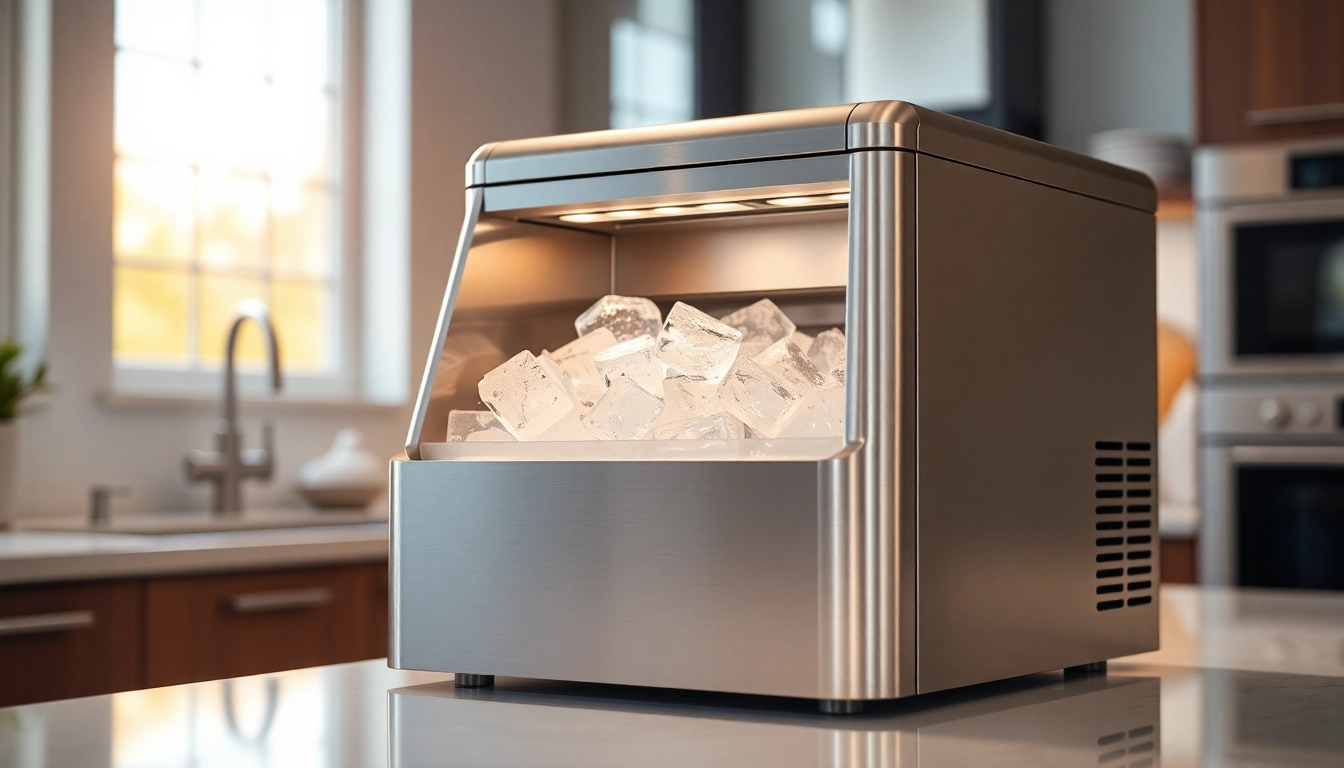
An ice maker is a compact appliance designed to produce ice cubes or pellets quickly and efficiently, commonly used for home, bar, or office usage. These machines provide a convenient, continuous supply of ice, eliminating the need for traditional ice trays and the hassle of regularly refilling them. With the advancement in technology, modern ice makers are designed to be user-friendly, allowing for easy operation with little maintenance.
Types of Ice Makers: Portable vs. Built-In
When considering an ice maker, it is essential to distinguish between the two main types: portable and built-in. Portable ice makers are small, countertop designs that are easy to move and require no installation, making them ideal for gatherings, camping trips, or small kitchens. They typically produce ice in batches quickly, providing a steady supply for events.
In contrast, built-in ice makers are designed to be permanently installed in a kitchen or bar setup, often integrated into cabinetry. These units offer larger capacities and can produce a higher volume of ice over time, suitable for larger households or commercial applications. Understanding these differences helps to select the right ice maker based on your ice production needs.
Key Features to Look for in an Ice Maker
When choosing an ice maker, certain features should be prioritized to enhance user experience:
- Production Rate: Look for machines that can produce at least 20-30 pounds of ice per day for standard household use.
- Size and Capacity: Consider how much ice you typically need and the available space in your home or business.
- Type of Ice: Decide whether you prefer nugget, bullet, or cubed ice based on your preferences and uses.
- Self-Cleaning Function: Opt for models with a self-cleaning feature to simplify maintenance.
- Energy Efficiency: Select an energy-efficient model that can help reduce electricity bills over time.
The Advantages of Owning an Ice Maker
Convenience of Having Ice on Demand
One of the primary benefits of owning an ice maker is the convenience it provides. Having ice readily available enhances any occasion, from backyard barbecues to casual family dinners. Instead of running out to buy bags of ice or waiting for ice trays to freeze, you can fill your glasses with ice at a moment's notice. This ease of access encourages more frequent entertaining and improves refreshment options year-round.
Cost-Effectiveness Over Time
Though investing in an ice maker may seem costly initially, it can lead to significant savings over time. Purchasing bagged ice frequently can add up, especially for large gatherings or events. An ice maker reduces the need for this ongoing expense and also avoids the hassle of refilling ice trays constantly—a more efficient and, ultimately, cost-effective solution.
Enhancing Home Entertainment Experiences
For those who love to host parties, having an ice maker can transform entertainment experiences. Whether serving cocktails, blended drinks, or simply keeping beverages cold, the availability of ice on demand allows for creativity and variety in your drink offerings. This convenience can impress guests and create a more enjoyable atmosphere for gatherings, further enhancing the home entertainment experience.
How to Choose the Right Ice Maker for Your Needs
Assessing Your Ice Consumption Needs
Before purchasing an ice maker, assess your typical ice consumption. Think about how often you host events, the number of guests, and how much ice you generally need. For small households that consume ice occasionally, a portable model might suffice. However, larger families or those who frequently entertain may require a built-in model with a higher production capacity.
Considering Space and Installation Options
Space is a significant factor in determining which ice maker suits your needs. Portable models require minimal space, making them ideal for smaller kitchens or outdoor settings. On the other hand, built-in models need designated areas for installation and may require plumbing, impacting your kitchen layout. Ensure your chosen ice maker fits your available space while complementing your home effectively.
Evaluating Price and Brand Reliability
Pricing varies widely among different models. It is wise to set a budget while factoring in the energy efficiency and production rate of the machine. Additionally, researching brands and their reliability is crucial. Look for reviews or ratings that highlight long-term performance; investing in a well-regarded brand can offer peace of mind and better customer service in the future.
Maintenance Tips for Your Ice Maker
Regular Cleaning and Care
Maintaining your ice maker is essential for ensuring its longevity and peak performance. Regular cleaning and care help prevent mineral buildup and mold growth, ensuring that the ice produced is safe for consumption. Follow the manufacturer's guidelines for cleaning processes, which may include descaling, sanitizing the water reservoir, and wiping down external surfaces.
Common Issues and Troubleshooting
Common issues with ice makers include ice production slowing down or the machine not producing any ice. These problems can stem from numerous factors, including water supply issues, low temperatures, or clogged filters. Ensure that the water supply is functioning correctly, and clean any filters or screens that may be obstructed to address these issues effectively.
When to Call a Professional for Repairs
If problems persist despite troubleshooting attempts, it may be time to consult a professional. Issues requiring specialized tools or knowledge, such as refrigerant issues, complex electrical malfunctions, or persistent leaks, often need an expert's assessment and repair. Avoid DIY fixes that could void warranties or cause further damage.
FAQs About Ice Makers
Is it worth buying an ice maker?
Yes, investing in an ice maker saves time and money on store-bought ice and enhances your home experience.
How much ice can an ice maker produce?
Most countertop models produce 20-30 pounds of ice daily, suitable for regular household use.
Are ice makers easy to maintain?
Generally, ice makers require simple cleaning and occasional descaling for maintaining efficiency.
Do ice makers require special plumbing?
Portable ice makers do not need plumbing; they only require a water source and power outlet.
Can I use tap water in my ice maker?
Yes, most ice makers work well with tap water; however, filtered water can enhance ice quality.