Understanding the Core Capabilities of TradingView
In the ever-evolving world of trading, having the right tools can make all the difference. TradingView is a leading platform that offers an extensive range of capabilities tailored to meet the needs of modern traders. From providing real-time market data to advanced charting tools, TradingView serves as a comprehensive hub for both novice and seasoned traders. The platform not only empowers users to make informed trading decisions but also enhances their overall trading experience. When exploring options, TradingView provides comprehensive insights into market trends, making it an essential resource for anyone looking to navigate the financial markets effectively.
What are the Key Features of TradingView?
TradingView boasts a myriad of features designed to enhance trading analysis and decision-making. Some of the key features include:
- Real-Time Market Data: Access up-to-date information across various asset classes including stocks, forex, cryptocurrencies, and commodities.
- Advanced Charting Tools: Utilize a wide array of technical indicators and drawing tools for comprehensive market analysis.
- Custom Alerts: Set alerts based on price movements or technical conditions to streamline monitoring efforts.
- Cross-Device Compatibility: Enjoy seamless access via desktop, web, and mobile applications.
- Community and Social Features: Engage with other traders and share insights through TradingView's social network.
How TradingView Enhances Market Analysis
With its sophisticated charting capabilities, TradingView allows users to visualize market data effectively. Traders can easily switch between multiple timeframes, apply various indicators, and utilize different chart types, making it easier than ever to spot trends and reversals. The platform's user-friendly interface promotes a seamless analytical process, making it accessible for traders of all experience levels.
Exploring Cross-Device Synchronization Benefits
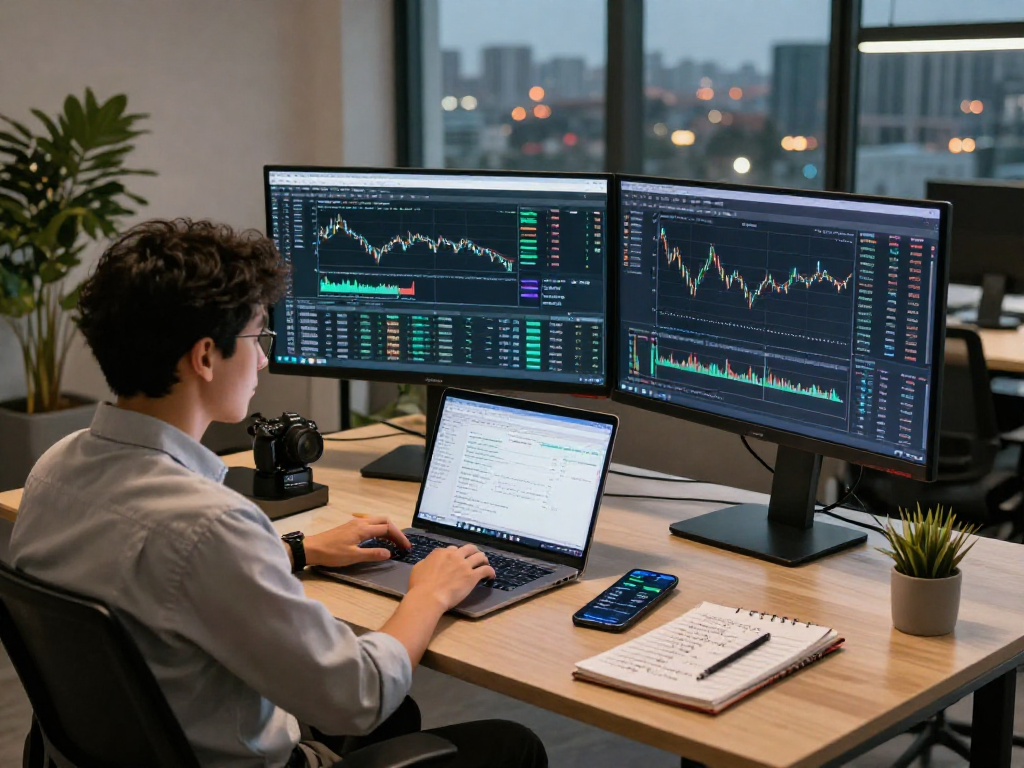
One of the standout features of TradingView is its ability to synchronize user settings and preferences across devices. Whether you are at your desktop, using a laptop in a café, or checking your charts on your mobile, TradingView ensures that your workspace remains consistent. This level of flexibility allows traders to continue their analysis and remain updated on market movements from anywhere, at any time.
Utilizing TradingView's Chart Analysis Features
To effectively leverage TradingView's charting functionalities, traders need to understand the various elements that contribute to comprehensive technical analysis. The platform is equipped with powerful tools that cater to both beginner and advanced trading strategies.
How to Interpret TradingView Charts Effectively?
Interpreting TradingView charts starts with understanding the layout and functionality of the platform. Users can customize their charts with various studies, templates, and colors. It's essential to familiarize oneself with the placement of indicators, as well as the significance of candlestick patterns, which provide vital insights into market sentiment.
Integrating Technical Indicators into Your Analysis
Technical indicators are pivotal in analyzing price movements and forecast future trends. TradingView offers an extensive library of indicators such as Moving Averages, RSI, MACD, and more. By strategically integrating these indicators into your analysis, traders can enhance their decision-making process and improve their trading strategies.
Comparing Different Timeframes on TradingView
TradingView allows users to view market data across various timeframes, ranging from minutes to daily and weekly charts. This feature is crucial for traders employing different strategies, whether they are day trading or investing for the long term. Utilizing multiple timeframes can help identify clearer entry and exit points, strengthen trade setups, and reduce the likelihood of false signals.
The Importance of Alerts in TradingView
Alerts are a fundamental component of effective trading, and TradingView excels in providing customizable alert options that help traders stay informed without constantly monitoring the charts.
What are Price Alerts and How to Set Them?
Price alerts notify traders when an asset reaches a specific price level. Setting up price alerts in TradingView is straightforward; users simply choose the asset, specify the price level, and select their preferred notification method (such as email, SMS, or app notifications). This feature mitigates the need for continuous screen monitoring and allows traders to focus on making informed decisions.
Understanding Condition-Based Alerts in TradingView
Condition-based alerts go beyond simple price thresholds. Traders can set alerts based on complex conditions involving indicators or combinations of indicators. For instance, you may want to receive alerts when the RSI crosses below 30 and the price is near a support level. This allows for a more nuanced approach to trading, enabling users to act on specific market behaviors rather than just price movements.
Maximizing Decision Making with TradingView Notifications
TradingView's notification system enhances decision-making by delivering real-time alerts directly to users. By utilizing price and condition-based alerts, traders can react swiftly to market changes and execute trades with confidence. This proactive approach can significantly improve trading performance and profitability.
Cross-Platform Access: Enhancing User Experience
The versatility of TradingView is one of its most appealing features, as it provides users the flexibility to trade from virtually anywhere. This cross-platform access is crucial for modern traders who may need to analyze markets on the go or while managing various trades simultaneously.
How TradingView Operates on Desktop and Mobile Devices?
Whether you prefer using a desktop or mobile device, TradingView ensures a consistent and feature-rich experience. The desktop application offers robust functionalities such as multiple chart layouts and extensive analytical capabilities, while the mobile app provides an intuitive interface for on-the-go access.
Exploring Web vs. Desktop: Which is Better for Trading?
While both the web and desktop versions of TradingView are packed with features, they cater to slightly different user experiences. The desktop version shines with enhanced performance, multi-monitor setups, and advanced ecosystem integrations. Conversely, the web version is great for quick access, particularly for traders who need to maneuver quickly between devices.
Benefits of Using Multiple Monitors for TradingView
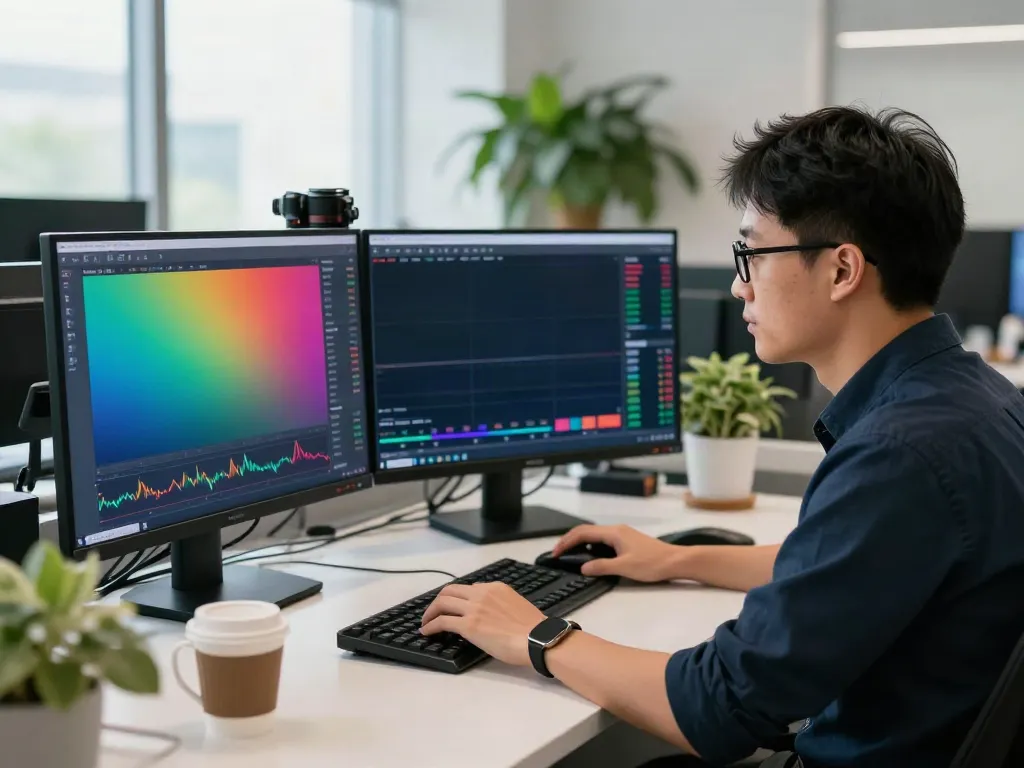
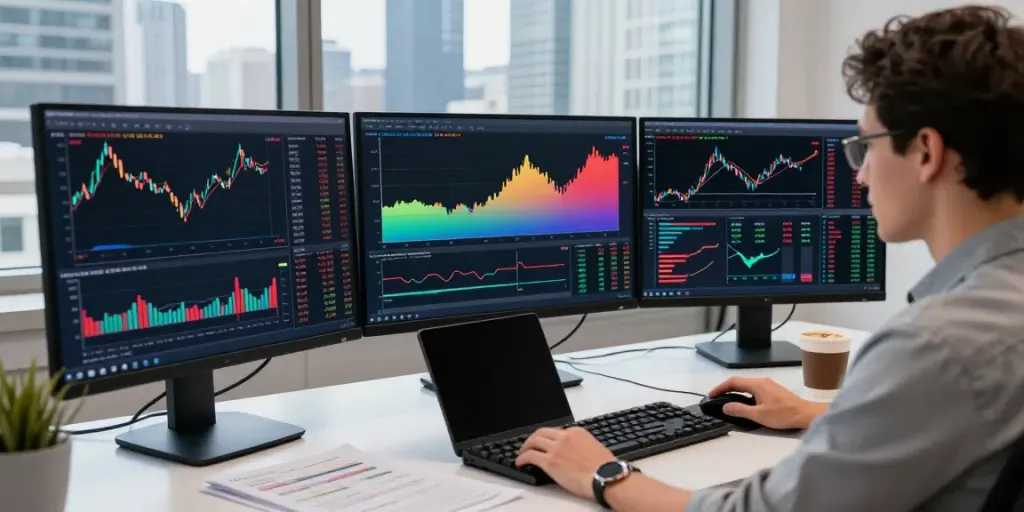
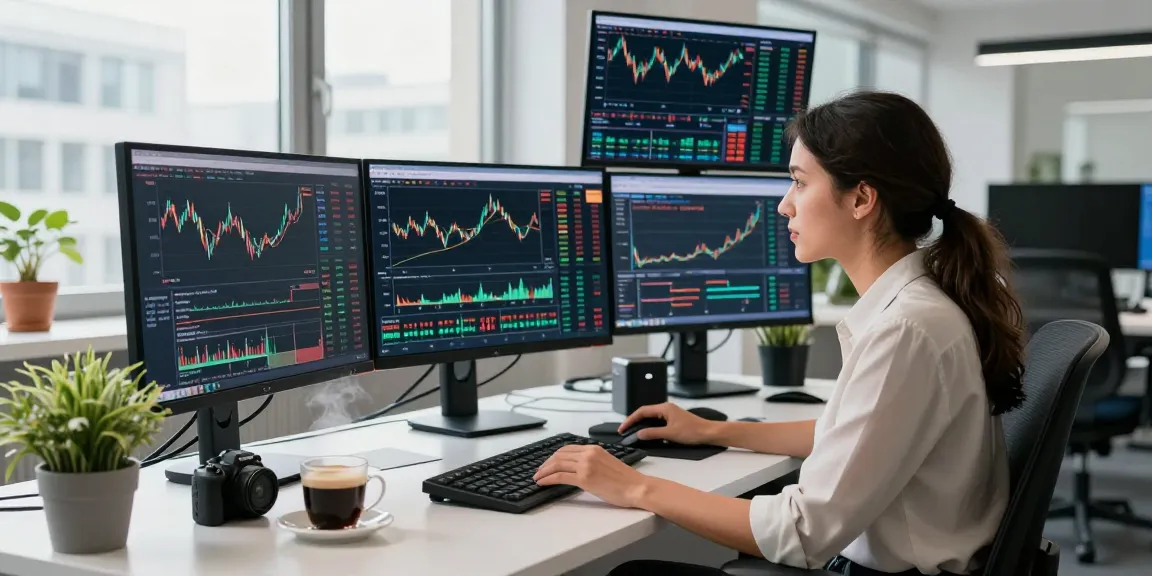
For active traders, utilizing multiple monitors can significantly enhance productivity and efficiency. TradingView supports multi-monitor setups that allow users to spread out their charts, data, and alerts across screens, enabling them to follow multiple assets or strategies simultaneously. This setup is particularly advantageous for day traders or those who engage in high-frequency trading.
Exploring Pricing Plans: Free vs. Paid Options
TradingView offers various pricing plans to accommodate different trading needs and budgets. Understanding the differences between these plans can help users select the option that best aligns with their trading goals.
What Do Users Get from the Free TradingView Plan?
The free plan provides access to essential features such as real-time market data, essential charting tools, and community engagement. While limited compared to paid plans, it is an excellent starting point for novice traders looking to explore TradingView's capabilities without committing financially.
Evaluating the Benefits of Paid TradingView Subscriptions
Paid subscriptions unlock a wealth of advanced features including additional technical indicators, custom layouts, extended historical data, and enhanced alert functionalities. For serious traders, investing in a paid plan can yield significant returns by facilitating more informed trading decisions and strategies.
How to Choose the Best Plan for Your Trading Needs?
When choosing a TradingView plan, consider your trading frequency, the complexity of your strategies, and your specific analysis needs. Evaluating which features are critical to your trading style will help you determine the most suitable plan. Remember, the right tools can make a substantial difference in trading performance.
What Devices Can Run TradingView?
TradingView is designed for versatility and can be run on various devices including Windows, macOS, Linux operating systems, as well as mobile devices on both iOS and Android. This range of compatibility ensures that traders can stay connected and productive, regardless of their preferred hardware.
Is a Desktop Version Necessary for TradingView?
While the desktop version of TradingView offers enhanced features and performance, it is not strictly necessary for all users. Most essential functionalities can be performed through the web and mobile versions. However, traders who require intensive analysis or use multi-screen setups may find the desktop version invaluable.
Who Should Use TradingView for Their Trading Needs?
TradingView caters to a wide range of users, from beginners to professional traders looking for sophisticated tools and insights. Whether you're a casual trader, a day trader, or an investor focusing on long-term strategies, TradingView provides the functionalities required to analyze the markets effectively.