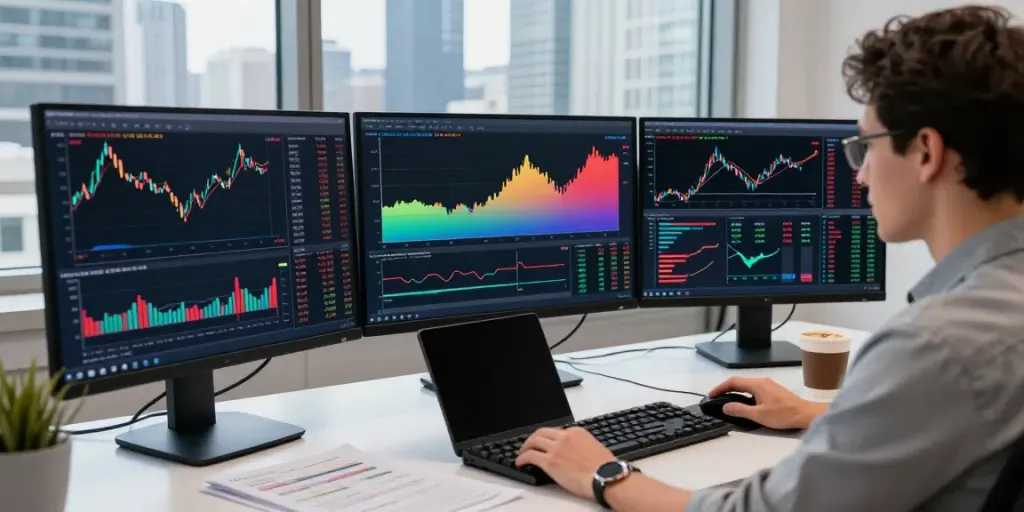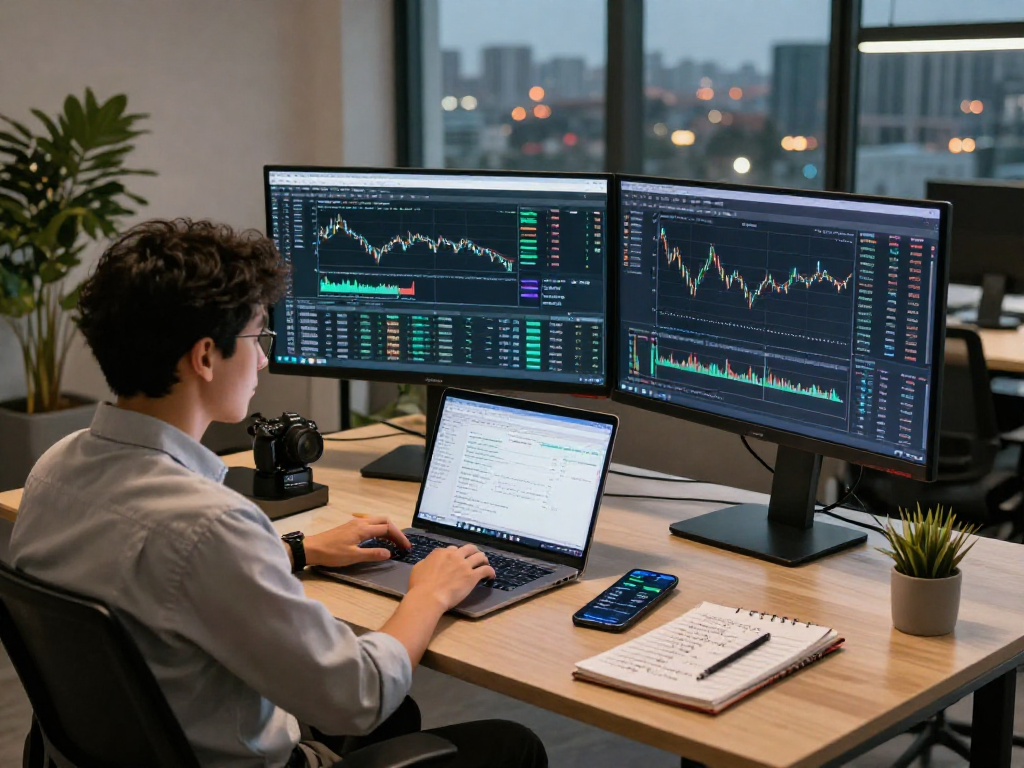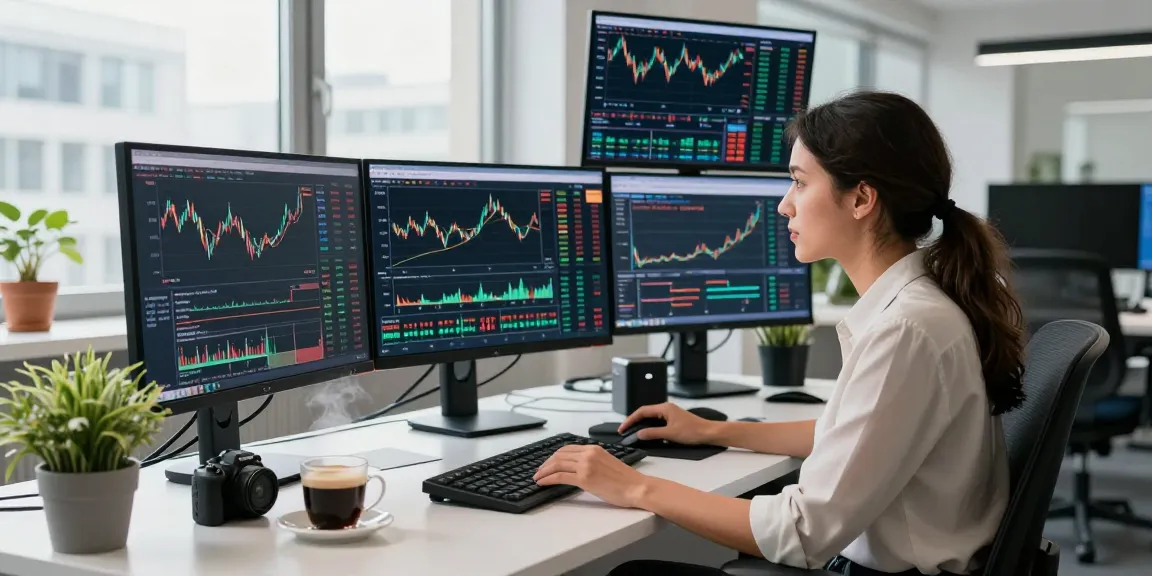
Understanding Frankfurt Exchange Data Feed
The Frankfurt Stock Exchange is one of the largest and most influential trading platforms in the world, pivotal for investors and traders seeking insights into the European financial markets. Recognized for its advanced technology and extensive market access, the exchange facilitates the buying and selling of a diverse range of securities. The Frankfurt exchange data feed offers real-time and historical market data, essential for making informed trading decisions.
What is the Frankfurt Exchange?
Established in the late 16th century, the Frankfurt Stock Exchange operates under the management of Deutsche Börse Group. Known as the world's third largest stock exchange by market capitalization, it plays a crucial role in the European economy. The exchange lists numerous companies, including global giants, and serves as a key indicator of economic health in the region. Investors and analysts rely on the data provided by this exchange for insights into market trends and investment opportunities.
Key Components of the Frankfurt Exchange Data Feed
The Frankfurt exchange data feed consists of several critical components that provide traders with the necessary information to execute transactions effectively. These include:
- Real-time Prices: Access to live price updates for stocks, ETFs, and other securities.
- Depth of Market Data: Information on buy and sell orders that helps assess market liquidity.
- Historical Data: Comprehensive records of past market performance for analytical purposes.
- Corporate Actions: Notifications regarding dividends, stock splits, and other crucial events affecting securities.
Importance of Real-Time Data in Trading
In the fast-paced world of trading, real-time data is invaluable. It enables traders to respond instantly to market fluctuations, gaining a competitive edge. Whether making split-second decisions or analyzing market trends, access to timely information is paramount. Traders utilizing the Frankfurt exchange data feed can identify opportunities to maximize returns while minimizing risks associated with delayed data.
Setting Up Your Trading Environment
To effectively leverage the Frankfurt exchange data feed, a well-structured trading environment is essential. Establishing the right tools and integrations will allow for seamless data access and analysis.
Essential Tools for Analyzing Frankfurt Exchange Data
A successful trading strategy requires the right analytical tools to interpret market data. Consider utilizing trading platforms that offer:
- Charting Software: Visual tools for tracking price movements and trends.
- Technical Indicators: Features that help in forecasting future price movements based on historical data.
- Backtesting Capabilities: Tools that allow traders to test strategies against historical data to evaluate performance.
Integrating APIs for Efficient Data Access
APIs (Application Programming Interfaces) are crucial in today's trading environment. They provide a bridge between trading platforms and the Frankfurt exchange data feed, enabling real-time access to market data. Implementing APIs allows traders to automate data retrieval and integrate it with existing systems, enhancing operational efficiency and decision-making.
Choosing the Right Data Subscription Plan
Given the range of services and data types available, selecting an appropriate subscription plan is vital. Assess the features of each plan and align them with your trading needs. Factors to consider include:
- Frequency of Data Updates: Determine how often you need real-time updates versus historical data.
- Market Coverage: Ensure the plan includes all relevant exchanges and securities.
- Cost Effectiveness: Analyze the pricing structure to find a plan that offers the best value for your needs.
Implementing Advanced Trading Strategies
With access to the Frankfurt exchange data feed, traders can implement advanced strategies to enhance their trading outcomes. These approaches can be tailored to individual trading styles and objectives.
Using Historical Data for Predictive Analysis
Historical data is a powerful tool for predictive analysis. By examining past price movements and market conditions, traders can identify patterns that may indicate future performance. Incorporating statistical methods and machine learning can further refine predictions, allowing for more informed decision-making.
Creating Automated Trading Bots
Automated trading bots can execute trades on behalf of traders based on pre-defined criteria. Leveraging the Frankfurt exchange data feed, these bots analyze market conditions and make trades in real-time, removing emotional biases and enhancing efficiency. Developers can program bots to follow specific strategies, including arbitrage and trend-following.
Backtesting Strategies with Frankfurt Data
Backtesting is critical in validating trading strategies before deploying them in live markets. By simulating trades on historical data from the Frankfurt exchange, traders can assess the viability of their strategies without financial risk. This analysis helps identify strengths and weaknesses, allowing for adjustments and improvements.
Managing Risks with Frankfurt Exchange Data
Risk management is paramount in trading. The Frankfurt exchange data feed provides essential insights to help traders identify and mitigate risks effectively.
Identifying Market Volatility and Trends
Market volatility can significantly impact trading outcomes. By monitoring the Frankfurt exchange data feed, traders can detect volatility patterns and adjust their strategies accordingly. Utilizing tools like Bollinger Bands and the Average True Range (ATR) can aid in quantifying volatility and making informed decisions.
Setting Stop-Loss Mechanisms
Stop-loss orders are fundamental to protecting investments. By setting predetermined stop-loss levels, traders can limit potential losses during adverse market movements. The Frankfurt exchange data feed’s real-time updates enable traders to adjust stop-loss levels dynamically based on market conditions.
Evaluating the Financial Health of Investments
Regularly assessing the financial health of investments is crucial for long-term success. Access to detailed financial reports and key performance indicators through the Frankfurt exchange data feed allows traders to make informed evaluations and adjustments to their portfolios.
Future Trends in Trading Data Feeds
The landscape of trading data feeds is evolving rapidly. Keeping abreast of emerging trends is essential for those committed to maintaining a competitive edge.
Emerging Technologies and Their Impact
Technological advancements, particularly in artificial intelligence and machine learning, are reshaping trading strategies. These technologies enable the analysis of vast datasets, enhancing predictive capabilities and automating trading processes.
Predictions for Frankfurt Exchange Data in 2026
As we move towards 2026, the demand for real-time data will only intensify. The Frankfurt exchange data feed is likely to evolve, offering more granular market insights and enhanced analytics. Traders should prepare for increased integration of AI-driven tools that facilitate smarter trading decisions.
Preparing for Regulatory Changes and Market Adaptation
The financial market landscape is often subject to regulatory changes. Staying informed about upcoming regulations impacting trading practices and data usage is critical for compliance. As markets adapt to these changes, leveraging reliable data feeds like that from the Frankfurt exchange will be crucial for maintaining operational integrity.
What is Frankfurt exchange data feed?
The Frankfurt exchange data feed provides real-time and historical market data from the Frankfurt Stock Exchange, offering crucial insights for traders and investors. This feed includes various data points, such as stock prices, order book information, and financial announcements, enabling informed decision-making and strategy development.
How can I access real-time exchange data?
Accessing real-time exchange data typically requires a subscription to a market data provider. Many platforms offer integration with APIs that facilitate seamless access to the Frankfurt exchange data feed, ensuring traders can monitor market fluctuations as they happen.
What subscription plans are available for trading data?
Subscription plans for trading data can vary widely based on features and services offered. Most providers, like iTick, offer tiered plan structures that cater to different user needs, from basic access to comprehensive data feeds with advanced features.
What are the best strategies for trading with Frankfurt data?
Successful trading strategies utilizing Frankfurt data often incorporate technical analysis, fundamental analysis, and machine learning algorithms. By understanding market signals and leveraging historical data trends, traders can formulate strategies that align with their risk tolerance and investment goals.
How to ensure compliance when using exchange data?
Compliance is critical when using exchange data. Traders should familiarize themselves with regulations specific to their region and ensure they are using data in accordance with the agreements set forth by the data provider. Regular audits and staying updated on compliance requirements will help mitigate risks.